🏞️ Pollution as an Extinction Driver
🌍 What It Was
Pollution has long been an environmental challenge affecting countless species around the globe. As an extinction driver, it plays a significant role in threatening wildlife with disappearance. Pollution refers to the introduction of harmful substances into the environment, which in the context of wildlife, often impacts ecosystems and food chains.
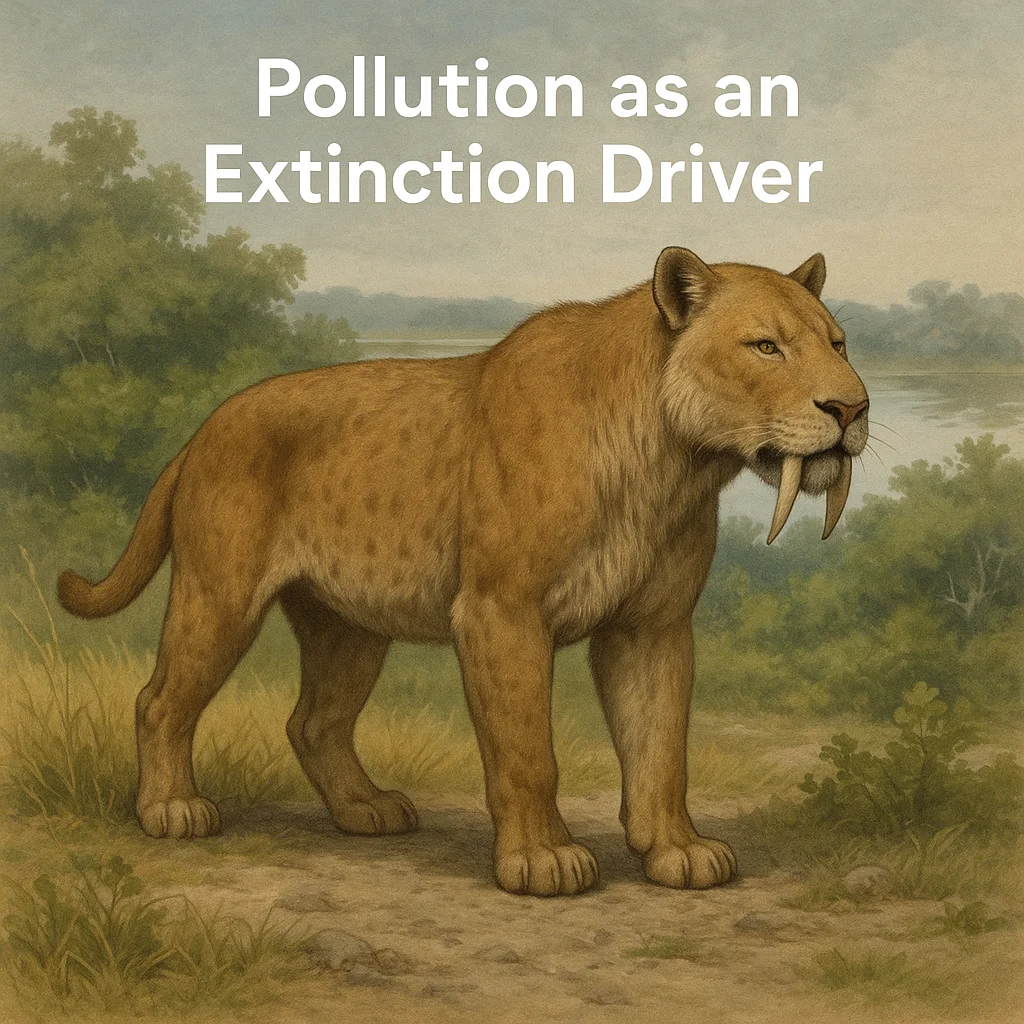
Pollution affects a myriad of animals, from aquatic organisms contaminated by plastic and chemicals in the oceans to terrestrial animals exposed to pollutants like pesticides and industrial runoff. This article explores how pollution has contributed to the extinction of certain species, the environments they've inhabited, and other factors involved in their decline.
As you read on, you'll gain insights into where these animals lived, how pollution affected their lifestyles, and how it contributed to their eventual extinction. The guide will also explore the challenges in tracking the impact of pollution on extinct species and the prospects of conservation efforts.
🧭 Where It Lived
The impact of pollution spans diverse ecosystems. Many affected species lived in aquatic environments, notably rivers, lakes, and oceans. These habitats are intrinsically linked to human activity, making them particularly vulnerable to pollution.
For terrestrial species, habitats such as grasslands, forests, and mountains have also been compromised by pollution. Whether through the air or soil, pollutants can alter the delicate balance of these ecosystems.
Species that are endemic, meaning they are found only in specific geographic locations, often faced heightened risks from pollution due to their limited distribution and ability to move away from contaminated environments. This isolation increased their vulnerability to extinction.
🌿 Habitat and Daily Life
The climate and environment of habitats affected by pollution varied. Aquatic systems, often characterized by stable conditions, saw changes in water quality and chemistry due to pollutants like heavy metals and plastics. These toxins disrupted the food web, impacting species that relied on pristine waters for nutrients.
Animals in polluted areas often had specific diets susceptible to contamination. For instance, fish and amphibians feeding on small aquatic organisms could ingest harmful substances, leading to reproductive failures or health issues. Beyond foraging, pollution hindered behaviors like migration and breeding by altering habitat conditions.
Reproduction strategies were directly affected by pollution. For amphibians, changes in water pH and temperature due to pollution interfered with breeding cycles and the development of offspring. This disruption could significantly decrease population numbers, accelerating the path to extinction.
🧬 What Made It Unique
Many species affected by pollution had unique adaptations suited to their environments. Some aquatic species developed specialized feeding techniques, such as filtering plankton, which made them particularly vulnerable to pollutants that mimic their food sources.
Specialized senses, such as keen eyesight in birds or echolocation in marine mammals, could be impeded by pollution. Noise pollution from shipping interfered with communication in aquatic species, leading to difficulties in navigation and finding mates.
Culturally, certain species held significance for local populations, either as mythical symbols or essential resources. Unfortunately, their uniqueness could not protect them from the pervasive reach of pollution.
⏳ When It Disappeared
Extinction timelines often involve a gradual disappearance, marked by increasingly sparse sightings followed by official declarations. The Caribbean monk seal, last observed in the 1950s, is an example where pollution intersected with other drivers, leading to its decline and eventual extinction declaration decades later.
Records of extinct species sometimes lack completeness due to missing data or limited scientific study. Remote or inaccessible habitats contributed to uncertainty about the exact timelines of disappearance.
Understanding whether a species is "Extinct in the Wild" or entirely extinct is crucial. The former means individuals may still exist in captivity, albeit with no sustainable wild population, a status reflecting severely endangered conditions.
⚠️ Why It Went Extinct
The path to extinction is multifaceted, with pollution being a significant but not standalone factor. Habitat loss due to industrial development and urban expansion often leaves species with nowhere to escape the pollution infiltrating their remaining ecosystems.
Overexploitation and overfishing exacerbate the vulnerability of species already stressed by polluted habitats. When food sources are contaminated, populations decline further due to malnutrition and increased mortality.
Invasive species, facilitated by shipping activities that contribute to pollution, can outcompete or prey on native species, adding another layer of risk. Additionally, climate shifts alter habitats and can intensify the effects of pollution through processes like acid rain.
Pollution directly affects survival and reproduction through mechanisms like bioaccumulation of toxins, which impacts health and fecundity. Long-term pollution exposure can lead to critical failures in population sustainability.
🧩 How We Know (Evidence and Records)
Evidence of pollution's impact on extinct species comes from various sources. Fossil records and subfossils give insights into ancient extinctions where pollution might have played a role, albeit natural pollutants like volcanic ash or mineral runoff.
Museum specimens and field notes document declines correlated with industrial pollution from the 19th and 20th centuries, offering retrospective insights into extinction processes.
Genetic studies on museum specimens can reveal physiological stress markers associated with exposure to pollutants, providing a window into the historical health of populations.
🛡️ Could It Have Been Saved
Conservation measures, such as pollution control and habitat protection, could have potentially slowed or reversed the course of extinction. Introducing stringent regulations on industrial effluents and emissions remains a critical action in protecting vulnerable species.
However, conservation efforts often face trade-offs. Economic interests and human livelihoods sometimes conflict with environmental health efforts, delaying the implementation of crucial measures. In numerous cases, initiatives came too late to save species already on the brink.
Late-stage conservation attempts have sometimes involved captive breeding programs aimed at later reintroducing species into less polluted environments. While beneficial for certain species, success has varied.
🔁 Are There Any Survivors or Close Relatives Today
The extinction of a species doesn’t always mean the complete loss of its genetic lineage. Closest living relatives, such as hybrid species or subspecies, continue the genetic legacy, though often in changed environments.
Ecological replacements, species fulfilling similar roles within ecosystems, also emerge. They help preserve functional aspects of the original species' niche, although they may not fully replicate the past dynamics.
If a reintroduction or captive program exists, it signifies ongoing attempts to restore a species to part of its former range, albeit under new conservation frameworks focused on addressing the initial causes of decline.
❓ Common Questions and Misconceptions
Was it hunted to extinction? It depends on the species. While pollution is a key factor, many animals also faced pressures from hunting and habitat loss.
Why didn’t it adapt or move? Adapting or relocating is not always possible due to speed of environmental change or geographic constraints.
Could it still be alive somewhere? In rare cases, species thought extinct are rediscovered, but pollution-related extinctions often result in irreversible damage.
What does 'declared extinct' actually mean? It means no individuals have been observed or confirmed over a significant period despite targeted efforts.
What is the difference between endangered and extinct? Endangered species still exist but face high risk of extinction without intervention.
Why are island species so vulnerable? Limited ranges and lack of escape routes make island species particularly susceptible to pollution and other threats.
📌 Summary
- Pollution significantly contributes to extinction.
- Habitat range includes aquatic and terrestrial areas.
- Species faced unique threats in affected habitats.
- Pollution impacted diet and reproductive success.
- Unique adaptations did not protect against pollution.
- Timeline uncertainties exist for many extinctions.
- Pollution often acts alongside other extinction drivers.
- Evidence includes fossils, genetic markers, and historical records.
- Closest relatives often remain even after extinction.
- Conservation requires addressing multiple threats, not just pollution.
- Understanding past extinctions helps inform future conservation actions.