🏞️ Plastic Pollution and Marine Life
🌍 What It Was
Plastic pollution poses a significant threat to marine life. This issue affects a wide range of marine species, from the smallest plankton to the largest whales. Marine organisms can ingest plastic or become entangled in it, leading to injury or death.
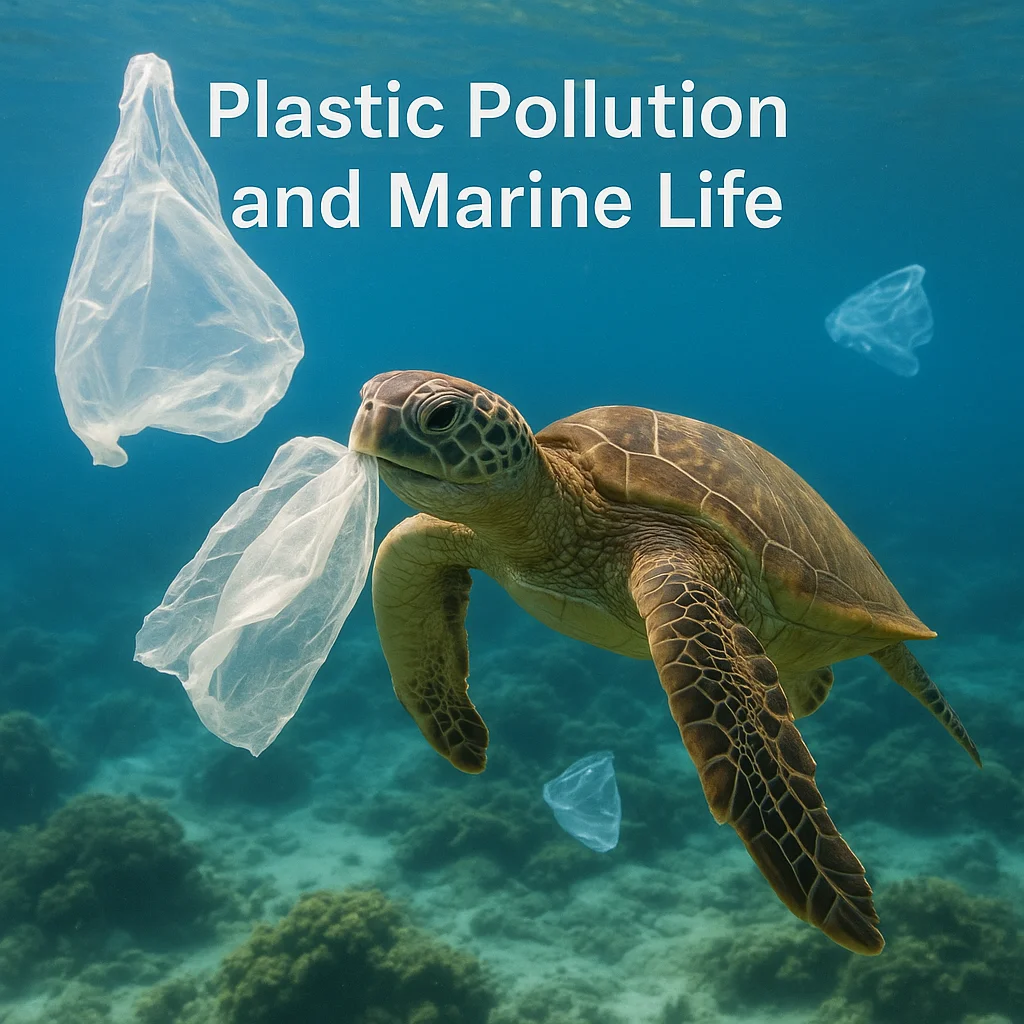
The problem with plastic pollution in oceans is that it doesn't biodegrade quickly. Instead, it breaks down into smaller pieces, known as microplastics. These small particles can be mistaken for food by marine animals, entering their digestive systems.
This topic explores the impact of plastic pollution on marine ecosystems. We will discuss its geographic extent, effects on marine habitats, and the measures needed to address this growing problem.
🧭 Where It Lived
Plastic pollution affects all the world's oceans and seas. It is a global problem that knows no boundaries, impacting marine life in regions from the Arctic to the Antarctic. Even remote areas, thought to be pristine, are not immune.
Commonly affected zones include coastal areas, where the density of human populations is high, leading to increased waste discharge. These regions tend to accumulate large amounts of plastic in their waters and along their shorelines.
Some ocean currents create gyres, which are large systems of circulating ocean currents. These gyres often collect significant concentrations of plastic debris, such as the Great Pacific Garbage Patch, further threatening marine life.
🌿 Habitat and Daily Life
The marine environment consists of diverse habitats such as coral reefs, open oceans, mangroves, and seagrass beds. Each habitat supports various marine species, all of which can be affected by plastic pollution.
Coral reefs, often regarded as the "rainforests of the sea," host a high biodiversity. Plastics can damage corals physically and affect fish that rely on reefs for survival. Open ocean species, such as turtles and large fish, may ingest floating plastics mistaken for prey.
In coastal ecosystems, plastic waste can entangle many species, including birds and mammals. These ecosystems are crucial nurseries for many marine organisms, and pollution can severely disrupt their life cycles and reproductive success.
🧬 What Made It Unique
Plastic pollution is distinct due to its persistence and ability to spread through the environment. Plastics are lightweight and durable, allowing them to travel vast distances across the ocean once discarded.
Special adaptations of some marine animals, such as filter feeders, make them particularly susceptible to ingesting microplastics. These organisms filter seawater for food and inadvertently take in plastic particles, which accumulate in their systems.
Marine debris can also mimic the scent and appearance of prey, tricking predators into consuming them. This can lead to blockages in the digestive systems, malnutrition, and a decline in population health.
⏳ When It Disappeared
Plastic pollution is a fairly recent environmental issue emerging significantly in the mid-20th century. Plastic usage boomed due to its affordability and utility, leading to widespread environmental impact.
The long-lasting nature of plastics means current efforts to mitigate pollution may take years to show results. This is particularly true given the vast amounts already in the ocean and the ongoing contributions of new waste.
Although not extinct in a traditional sense, marine ecosystems are experiencing significant changes due to plastic pollution, with some species facing decline due to habitat degradation and false inputs in their diets.
⚠️ Why It Went Extinct
Plastic pollution arises from several interrelated causes, each contributing to the problem. One major factor is habitat loss and fragmentation, as plastics disrupt marine habitats, altering the natural landscapes species depend on.
Overexploitation of resources and increased production of plastics contribute to pollution levels, with waste often improperly disposed of, entering waterways and eventually the ocean.
Pollution is exacerbated by climate shifts and extreme events that increase runoff and waste transport into marine environments. Coastal development without sustainable waste management further intensifies pollution.
While plastics themselves create toxic environments for many marine species, overfishing and the introduction of invasive species can also compound these challenges, reducing biodiversity and ecosystem function.
🧩 How We Know (Evidence and Records)
Scientists use various methods to study plastic pollution, including sampling ocean waters and analyzing the stomach contents of marine animals. These studies help identify the types and sizes of plastics marine life encounters.
Field studies and photographic evidence document the presence and impacts of plastics in marine environments, showing ingested plastics or animals entangled in debris.
Moreover, genetic studies help researchers understand how populations are affected by pollution, and data from these studies inform conservation strategies to mitigate future impacts.
🛡️ Could It Have Been Saved
Several conservation actions can help mitigate plastic pollution. Effective waste management systems and recycling initiatives can reduce the amount of plastic entering natural environments.
Instituting protective measures, such as banning certain single-use plastics, can lessen the future impact of plastic pollution in marine ecosystems. These actions require both local and global cooperation.
Regulations on the production and consumption of plastic goods could play a vital role, as would raising public awareness about the issue to help prevent more plastic waste.
🔁 Are There Any Survivors or Close Relatives Today
Marine species continue to adapt within their changing environments, but the pressures of plastic pollution remain strong. Some species have found ways to survive despite these challenges.
Organizations are working to rehabilitate affected species and protect them from further plastic threats. This includes initiatives to remove plastic waste from habitats and to facilitate breeding programs for affected populations.
❓ Common Questions and Misconceptions
Was it hunted to extinction? No, plastic pollution is not the result of hunting, but of waste entering marine systems.
Why didn’t it adapt or move? Marine species have limited adaptability to synthetic materials, which disrupt natural behaviors and habitats they depend upon.
Could it still be alive somewhere? Marine life persists, but changes in habitats and food sources due to pollution threaten their survival.
What does 'declared extinct' mean? In this context, it refers to the decline of marine ecosystems' health, not the extinction of a single species.
What is the difference between endangered and extinct? Endangered species are at high risk of extinction, while extinct means no individuals are known to exist.
Why are island species so vulnerable? Limited range and resources make island species more sensitive to changes like pollution.
What forms of research provide data on plastic pollution? Sampling, organism studies, and genetic analysis help identify plastic types and their impacts on marine life.
How do plastics enter the ocean? Through improper waste management, runoff, and ocean currents from populated areas.
📌 Summary
- Plastic pollution is a significant threat to marine life worldwide.
- It affects oceans and seas globally, from populated coasts to remote islands.
- Different marine habitats, including coral reefs and open oceans, suffer severe impacts.
- Marine life ingests plastics mistaken for food, disrupting their ecosystems.
- Pollution involves long-lasting materials affecting numerous species.
- This problem emerged significantly in the mid-20th century.
- Main drivers include habitat loss, overproduction, and poor waste management.
- Evidence includes ocean samples and studies on marine organism health.
- Efforts focus on better waste management and protective regulations.
- Marine organisms continue to live, but conservation is essential.
- Emphasizing prevention and cleanup can mitigate future damage.
- Informing the public is crucial for the sustainability of marine biodiversity.