🏞️ Industrial Toxins and Food Chain Poisoning
🌍 What It Was
Industrial toxins are harmful substances released by industrial processes. These toxins can accumulate in the environment and become part of the food chain, affecting various living organisms at different levels. When these toxins enter ecosystems, they can disrupt food webs and threaten species survival, sometimes leading to extinction.
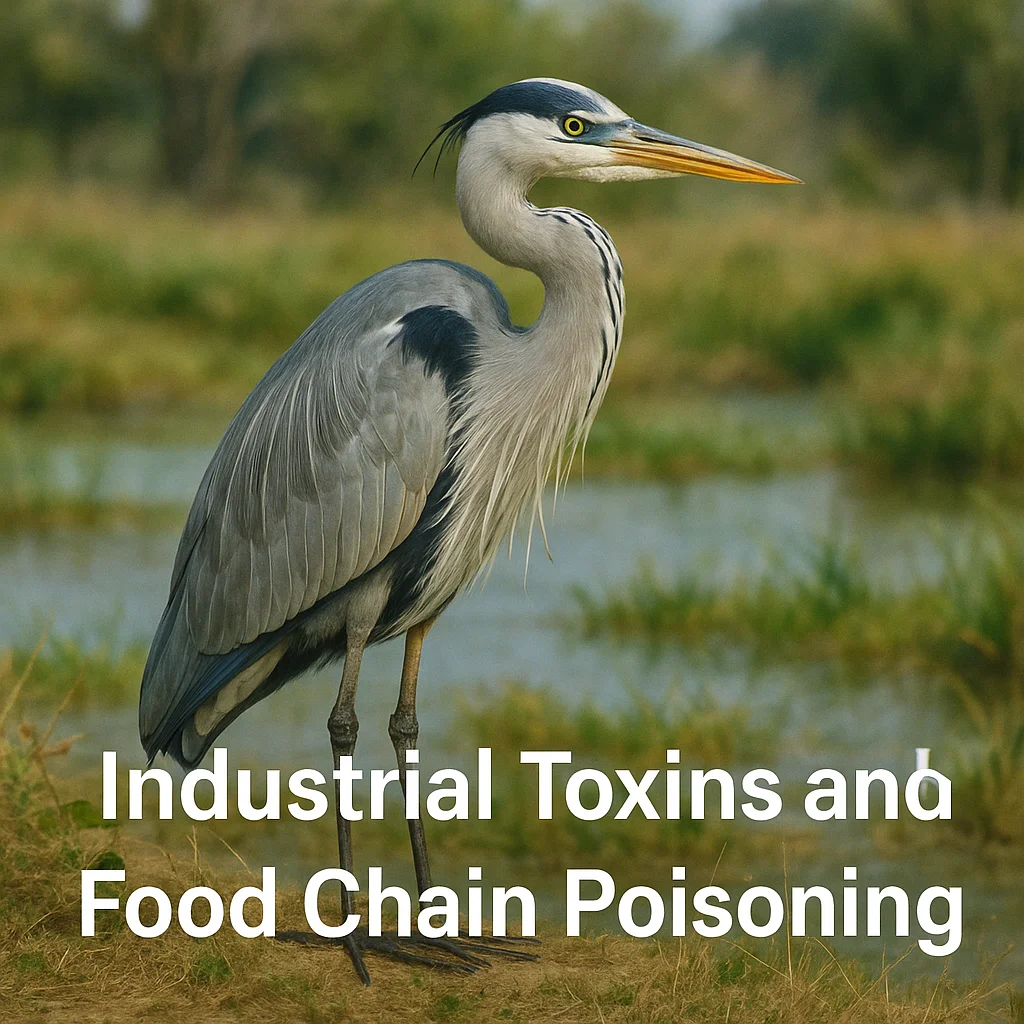
This article explores how industrial toxin pollution impacts ecosystems, highlighting its role in food chain poisoning. We will learn about various cases where industrial toxins affected animal populations, understand the mechanisms behind these processes, and consider what the implications have been regarding species survival and extinction.
By examining these issues, readers will discover where such disruptions have occurred, how they unfolded, and what was unique about them. We will also delve into the different elements that can influence how severe the impact of these toxins can be on species within a particular habitat.
🧭 Where It Lived
Industrial toxins can permeate any environment where industrial activities are present. Regions with dense industrial operations, such as parts of North America, Europe, and Asia, are notably affected. These toxins often spread through air, water, and soil, infiltrating diverse habitats such as rivers, forests, and coastal ecosystems.
The food chain impacts of industrial toxins can be pronounced in wetland areas adjacent to factories or industrial hubs. Wetlands, which include marshes and swamps, are important environments for numerous species, providing critical habitat for birds, fish, amphibians, and invertebrates. The introduction of toxins into these systems can have devastating effects at each trophic level.
Island ecosystems, too, are highly vulnerable to pollution. Due to their confined nature, toxins can act more quickly and intensely compared to larger, more interconnected ecosystems. This allows for more rapid accumulation of contaminants in plants and animals, putting endemic species—those found nowhere else—at particular risk.
🌿 Habitat and Daily Life
Habitats affected by industrial toxins often undergo significant changes in their climate and environment, influenced by alterations in local temperature, water conditions, and nutrient availability. These changes affect the resident species' ability to find food and thrive.
In these ecosystems, plant species may absorb industrial toxins through soil and water, introducing these harmful chemicals into the food chain. Herbivores, such as certain fish or grazing mammals, ingest these toxins, leading them into higher trophic levels. Predatory animals, which feed on contaminated prey, are at risk of bioaccumulation—where toxins concentrate as they move up the food chain.
The reproductive cycles of species can also be disrupted by toxins, leading to reduced population growth over time. Many toxins are known to interfere with hormone production, affecting breeding success and the development of offspring. Moreover, species that rely on particular cues for reproduction, such as seasonal changes or water quality, can experience additional challenges if these factors are altered by pollution.
🧬 What Made It Unique
One of the unique aspects of how industrial toxins affect ecosystems is their ability to alter species interactions. Predators may face declining prey populations as toxins accumulate, leading to changes in food availability and competition. Some species might become more dominant, while others decline rapidly due to their higher sensitivity to pollutants.
Certain adaptations that help species thrive in their natural habitat can become liabilities when faced with industrial toxins. For example, filter feeders like shellfish are effective at sifting nutrients from water but can inadvertently filter large quantities of toxins, exposing them to lethal concentrations.
Additionally, in some historical contexts, these toxins have had cultural implications where local communities have relied on affected species for food or economic activities, highlighting the interconnectedness of human and environmental health.
⏳ When It Disappeared
The timeline for extinctions related to industrial toxin exposure can vary. Some populations decline slowly over decades, while others can experience sharp reductions following acute contamination events. Declaring a species extinct involves careful assessment, including a lack of confirmed sightings and comprehensive searches.
Uncertainty in tracking these extinctions is compounded by the varying rates at which different species absorb and react to toxins. While some may survive in isolated or lesser impacted environments, others can be lost before resilience or adaptability can be assessed.
In cases where "Extinct in the Wild" is declared, species may only persist in controlled environments like zoos. This status highlights the irreversible loss of natural population dynamics that were once present in their original habitats.
⚠️ Why It Went Extinct
Industrial toxins contribute to species extinction through multiple drivers. Habitat loss or fragmentation occurs when environments are altered chemically or physically by pollution, reducing effectiveness of the habitat to support life.
Pollution can also directly poison species. Toxins like heavy metals and persistent organic pollutants (POPs) can lead to organ failure or reproductive issues in wildlife. These substances do not easily degrade, which means they can persist and bioaccumulate, posing long-term risks.
Climate shifts, exacerbated by pollution, can change traditional habitats. Likewise, increased susceptibility to disease might occur in stressed populations, where industrial toxins compromise immune systems.
🧩 How We Know (Evidence and Records)
The evidence of industrial toxins leading to species extinction is found in diverse data sources, including fossil records, museum specimens, and chemical analyses. Researchers use isotopic dating techniques to approximate when affected species declined.
Genetic studies can offer insights into population reductions, identifying genetic bottlenecks and reduced genetic diversity linked to toxic exposure. Observation and field notes supplement these findings, providing context and patterns of health deterioration.
Scientists also rely on documenting changes in ecosystem structures, such as alterations in species composition across different environments, to corroborate the broader impact of toxins.
🛡️ Could It Have Been Saved
Potential conservation measures could include efforts to reduce industrial emissions and implement stricter pollution controls. Restoring affected habitats through reforestation or wetland creation might help dilute existing toxins, giving populations a chance to recover.
Captive breeding programs offer another avenue, where populations at risk of further decline are supported in zoos or reserves until their wild habitats improve. However, such solutions must be timely, as delays often exacerbate species loss.
While there have been some successful interventions post-toxin exposure, these efforts require international cooperation and substantial investment, posing significant practical challenges to long-term success.
🔁 Are There Any Survivors or Close Relatives Today
Many species affected by industrial toxins may still have biological relatives that survive in less contaminated environments. These species might serve as ecological replacements if they occupy similar niches and aid in restoring ecosystem functions.
Reintroduction efforts have occasionally been pursued, albeit cautiously, focusing on optimizing habitats for less susceptible species. These programs assess viability, attempting to recreate the conditions required for population stabilization and growth.
The success of such initiatives depends on careful monitoring, long-term commitment to pollution control, and ensuring ecosystem resilience against future industrial pressures.
❓ Common Questions and Misconceptions
Was it hunted to extinction? Although not directly hunted, industrialization and pollution effectively "hunt" species by degrading their habitat and health.
Why didn’t it adapt or move? Adaptation or migration can be limited by the speed and scale of environmental change caused by toxicity.
Could it still be alive somewhere? While remnant populations might survive in minimally impacted areas, the overall ecosystem balance is often irrevocably shifted.
What does "declared extinct" actually mean? It indicates exhaustive searches have not found viable populations over time, leading to an official conclusion of extinction.
What is the difference between endangered and extinct? Endangered means at high risk of extinction in the near future, while extinct indicates no known living individuals remain.
Why are island species so vulnerable? Islands have limited space and fewer alternative habitats, leading to rapid accumulated toxicity impacts.
📌 Summary
- Industrial toxins are harmful substances from industrial processes affecting ecosystems.
- They infiltrate habitats globally, especially near dense industrial areas.
- Habitats like wetlands and islands are particularly vulnerable to toxin impacts.
- Species ingest toxins through food chains, affecting health and populations.
- Unique species adaptations can become harmful in contaminated environments.
- Timeline of extent varies; impacts are noted through various scientific records.
- Extinctions result from multi-causal factors: pollution, habitat fragmentation, and disease.
- Evidence includes fossil records, field notes, and genetic studies.
- Related species might endure in cleaner environments, serving as ecological stand-ins.
- Effective conservation requires timely pollution control and habitat restoration efforts.
- Takeaway: Addressing pollution early is crucial to preventing further species loss.