🏞️ Heavy Metals in Rivers and Lakes
🌍 What It Was
Heavy metals such as mercury, lead, cadmium, and arsenic are natural components of the Earth's crust. However, their concentrations have been significantly increased due to human activities like mining, industrial production, and agricultural use. These metals are distinctive in their ability to persist in the environment and bioaccumulate in organisms, making them a significant concern for both ecosystems and animal populations.
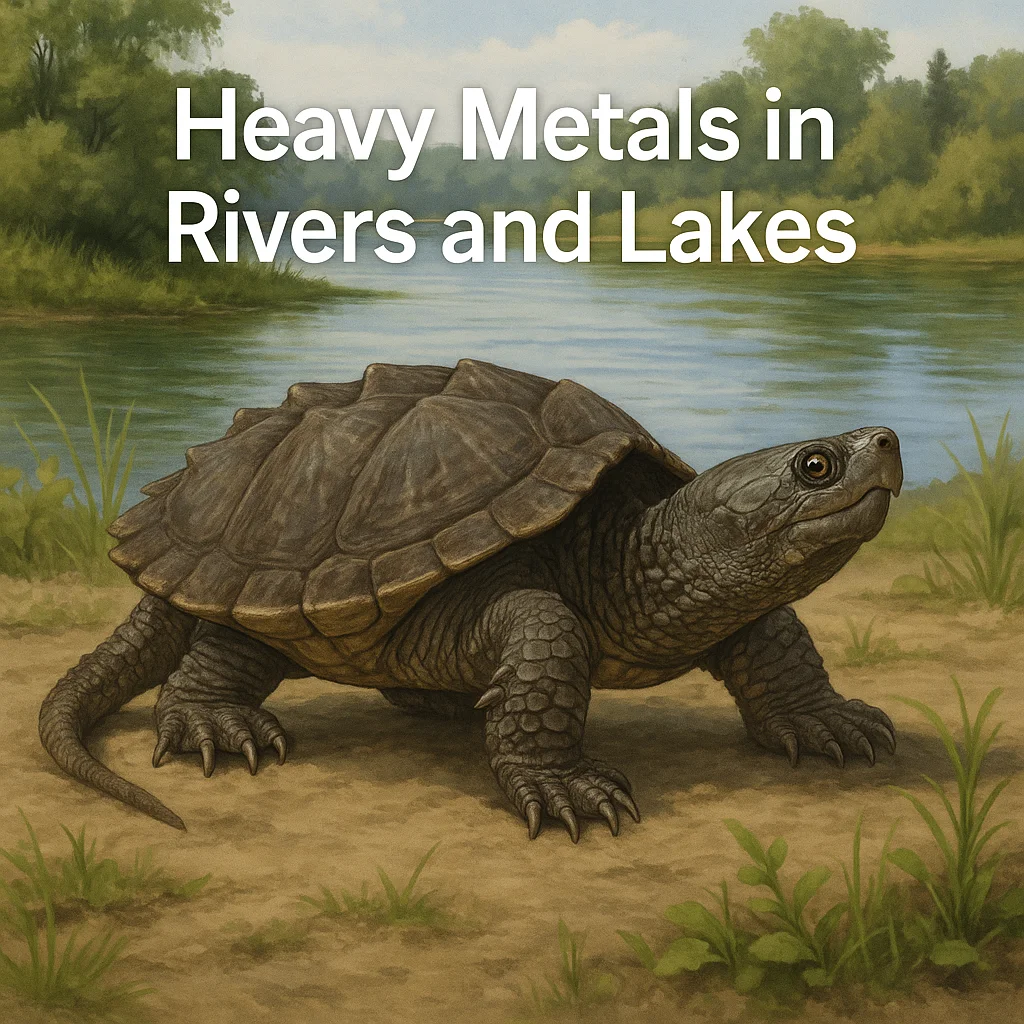
The presence of heavy metals in aquatic systems presents risks not only to individual species but to the entire food web. Predatory animals, in particular, can accumulate high levels of toxins due to biomagnification. By understanding where these metals came from and how they affect wildlife, we can start to explore potential solutions to this pervasive problem.
This article will cover where heavy metals accumulate in the environment, how they affect aquatic wildlife, contributing factors to their presence, and any potential measures for mitigation.
🧭 Where It Lived
Heavy metals are found in rivers and lakes across the globe. From small inland bodies of water to major river systems, these pollutants have been recorded in various aquatic environments. The geographical distribution is widespread; areas heavily affected are often those near industrial zones, urban centers, and mining sites.
Habitats impacted by heavy metals include freshwater ecosystems such as lakes, rivers, and wetlands. These environments are particularly susceptible to contamination because they are often the recipients of runoff and effluent discharge. Wetlands, in particular, act as natural filters and can accumulate significant amounts of these metals, posing risks to the flora and fauna that inhabit them.
Some regions have seen more severe impacts due to their localized environmental conditions. For instance, areas with naturally occurring metal deposits or those significant to industrial activity might face a higher influx of pollutants, increasing the risk to local biodiversity.
🌿 Habitat and Daily Life
Freshwater habitats vary widely, with climates ranging from temperate regions to the tropics. These ecosystems support diverse species, each adapted to specific conditions, including various temperatures, rainfall patterns, and seasonal changes. The animals in these habitats may rely on water for hydration, food, and as a medium for living.
Species within these ecosystems often follow unique dietary patterns. Fish and aquatic invertebrates may feed on plants, algae, or other smaller creatures, while some predators, like birds, mammals, or larger fish, feed on these smaller species. Behaviors such as migration and breeding are often linked to seasonal changes, ensuring that young are born during times of plenty.
The life cycles of aquatic organisms can vary. Many fish species, for instance, spawn in certain seasons, laying eggs that must hatch and grow in often polluted waters. The interactions between species, whether predatory or symbiotic, form intricate networks essential for ecosystem stability.
🧬 What Made It Unique
The persistence and bioaccumulative nature of heavy metals distinguish them as environmental hazards. They can travel long distances in water and settle in sediments, becoming part of the ecosystem for decades. Bioaccumulation occurs when organisms absorb metals through skin or gills faster than they can excrete them.
Some aquatic animals have developed certain adaptations to cope with low levels of metal exposure. For example, certain invertebrates can regulate metal uptake, whereas others may show mechanisms of detoxification. However, these adaptations are often insufficient to counteract high levels of contamination.
Historically, aquatic ecosystems have been culturally significant, providing food and livelihoods for human communities. The contamination of these systems has not just ecological but also economic and social repercussions.
⏳ When It Disappeared
Heavy metal contamination in aquatic systems intensified with the Industrial Revolution and continues into the present, marking a timeline of increasing pollution linked to human advancement. No clear "extinction" date exists for ecosystems affected by heavy metals, as this is an ongoing environmental issue.
Records indicate fluctuations in contamination levels due to regulatory changes and cleanup efforts. However, documenting the impact on local wildlife can be challenging due to incomplete records and variability in contamination levels.
In some cases, pollution may have led to localized extirpations, reducing biodiversity without leading to global extinction. Scientists often use indicators like species health and reproduction rates to determine when a community is on the brink of collapse.
⚠️ Why It Went Extinct
Several primary drivers contribute to heavy metal contamination in aquatic environments. Habitat loss and fragmentation occur when land use changes lead to increased runoff or pollution discharge into water bodies.
Overexploitation of these water bodies for resources such as fish may increase exposure to metals concentrated within aquatic animals. When combined with habitat degradation, this can severely limit species' ability to thrive.
Pollution is a direct driver, with metals entering ecosystems through mining operations, waste disposal, and industrial activities. These metals affect biological functions, leading to lowered survival and reproductive success.
Overall, these drivers often act synergistically, compounding their impacts on ecosystems and species. Effective management requires addressing all contributing factors comprehensively.
🧩 How We Know (Evidence and Records)
Scientific understanding of heavy metal pollution comes from various lines of evidence. Water and sediment samples are analyzed to determine contamination levels, providing a measure of current and historical pollution.
Field surveys and biological samples from local fauna, such as fish and invertebrates, help scientists estimate the extent of bioaccumulation and potential effects on health and reproduction.
In some cases, historical records and oral histories supplement the hard data, offering insights into changes over time and impacts on the broader ecosystem.
🛡️ Could It Have Been Saved
Mitigating heavy metal pollution in aquatic ecosystems involves both prevention and remediation. Realistic actions include imposing regulatory controls on industries to limit metal discharge and encouraging the use of cleaner technologies.
Restoration efforts like dredging contaminated sediments or wetland rehabilitation can help restore degraded habitats. Biological remediation using plants or microorganisms to absorb metals is also a potential strategy.
While some efforts to reduce metal pollution have been successful, they are often implemented reactively rather than proactively. Early initiatives might have limited extent or focused on partial recoveries instead of comprehensive solutions.
🔁 Are There Any Survivors or Close Relatives Today
No specific "relatives" exist for heavy metals, but the impact on local fauna can be assessed. Closely related species to those affected may continue to inhabit these ecosystems, albeit potentially with adaptation to lower contamination levels.
Ecosystem engineers or keystone species may continue to play similar roles in maintaining ecosystem balance, highlighting the need for comprehensive conservation efforts.
Reintroduction or restoration projects are more about ecosystem recovery than re-adding species, underscoring the need for an ecosystem-based management approach to conservation.
❓ Common Questions and Misconceptions
Was heavy metal contamination solely due to industrial activity? No, while industrial processes contributed significantly, natural occurrences and agricultural runoff also play roles.
Could ecosystems have adapted to heavy metals? Some organisms exhibit tolerance, but widespread adaptation is unlikely due to the rapid and high levels of exposure.
Can aquatic systems still be saved? Yes, with targeted, effective conservation and remediation strategies, it's possible.
What does 'declared degraded' mean in this context? It indicates a loss of ecological function, not a total collapse.
What's the difference between controlled and uncontrolled sites? Controlled sites are monitored and managed, whereas uncontrolled are often ignored.
Why are isolated ecosystems at risk? They lack the resilience and gene flow to recover from disturbances quickly.
Is biomagnification different from bioaccumulation? Yes, biomagnification refers to increasing toxin levels up the food chain, while bioaccumulation is toxin buildup in an organism.
Why is remediation important? Remediation is crucial to restore ecological health, ensuring biodiversity and ecosystem services are sustained.
📌 Summary
- Heavy metals are persistent environmental pollutants.
- Present globally, especially near industrial and urban areas.
- Impacts rivers, lakes, and wetlands significantly.
- Cumulative effects on aquatic wildlife, including bioaccumulation.
- Unique due to their persistence and accumulation potential.
- Contamination worsened since the Industrial Revolution.
- Main drivers: industrial discharge, agriculture, habitat changes.
- Evidence includes water/sediment samples and historical data.
- No direct "relatives," but similar species affected.
- Conservation requires integrated, proactive strategies.
- An important takeaway: pollution control is vital for ecosystem health.