🏞️ Trophy Hunting vs. Conservation: Key Differences
🌍 What It Was
Trophy hunting and wildlife conservation are two practices often discussed together, yet they differ in fundamental ways. Trophy hunting involves pursuing and killing wild animals as trophies to display, sometimes as part of managed hunting programs. Conservation, however, works with the aim of protecting and preserving wildlife and their habitats.
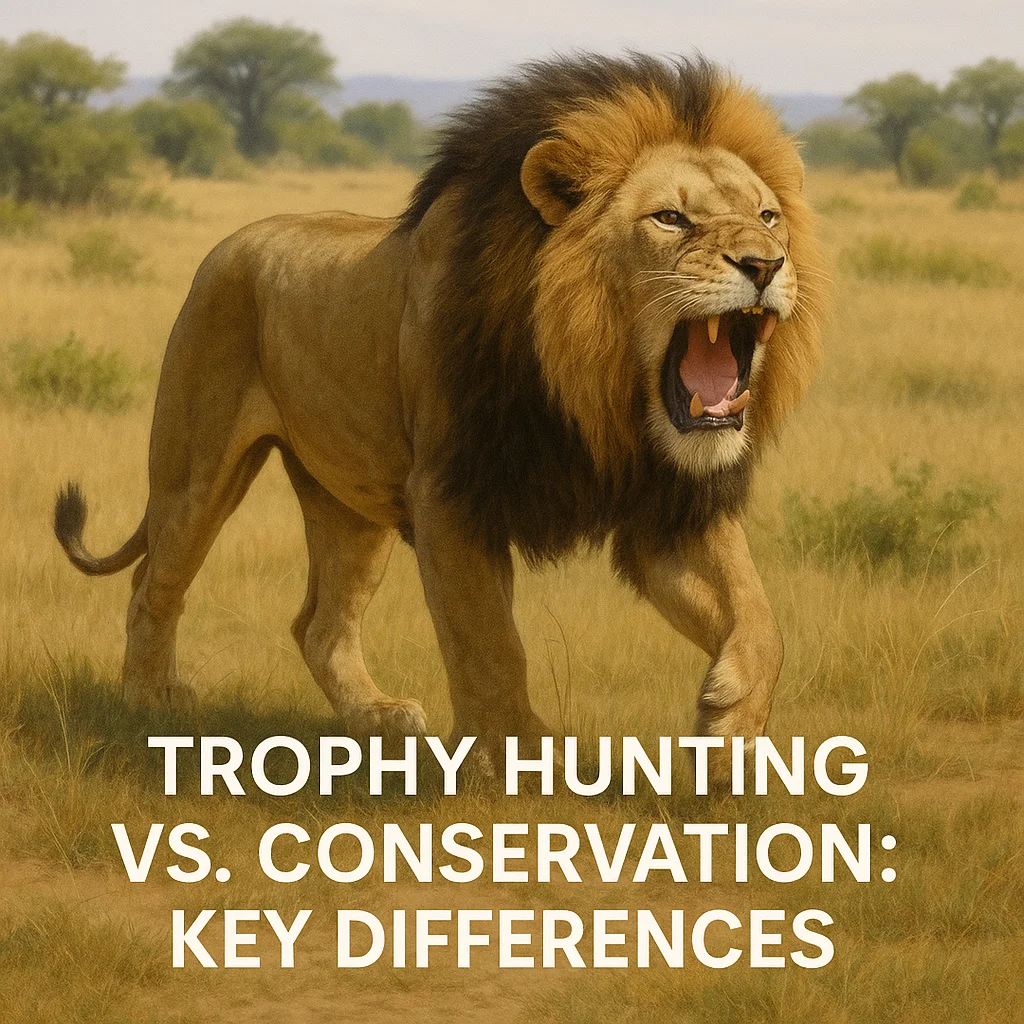
Understanding this contrast is important for understanding how these activities affect wildlife and ecosystems. While trophy hunting is a practice that has been around for centuries, conservation efforts emerged in response to increasing threats to biodiversity. Readers will learn about the purpose of each practice, their impacts on wildlife, and the ongoing debates about their roles in modern conservation.
This article will also explore the geography of these activities, how wildlife are affected, the ethics involved, and consider whether these activities might support or hinder conservation goals.
🧭 Where It Lived
Trophy hunting typically occurs in regions known for their rich wildlife populations such as Africa, where species like lions, elephants, and rhinoceroses are found. These areas are known for their diverse ecosystems ranging from savannas and grasslands to forests and mountains. Trophy hunting is also popular in parts of North America, Europe, and Asia.
The continent of Africa is particularly noteworthy for these activities, given the iconic species and vast landscapes present. The African savanna, a mixture of open grassland with scattered trees, is home to a plethora of wildlife and provides an ideal habitat for species targeted by trophy hunters. Similarly, areas of dense forests and wetlands host a variety of animals, some of which are also included in hunting lists.
Geographic location plays a critical role in conservation, especially in regions with high biodiversity. Conservation efforts are often targeted in these biodiverse regions to preserve the delicate balance of nature and prevent species from becoming endangered or extinct.
🌿 Habitat and Daily Life
The regions where trophy hunting takes place are characterized by varied climates. African savannas, for example, experience a warm climate with distinct wet and dry seasons. Wildlife in these areas have adapted to these conditions, either through migration or specialized behaviors such as burrowing or seasonally varying their diets.
Species targeted in trophy hunting are often large herbivores or predators. They exhibit behaviors such as grazing or hunting in packs and play significant roles in their ecosystems. Lions, for instance, are apex predators and help control herbivore populations, while elephants shape their habitats by knocking down trees, which can promote grassland growth.
Conservation efforts aim to support these natural behaviors by securing habitats, ensuring healthy population dynamics, and sometimes intervening through reintroduction programs or captive breeding to supplement wild populations.
🧬 What Made It Unique
Trophy hunting targets animals for their distinctive traits, such as large antlers, manes, or tusks which are considered trophies. These traits are products of evolution and adaptation, serving various ecological purposes. For example, antlers are used in combat for mates, and tusks can help in digging or defense.
Conservation, on the other hand, seeks to protect these unique features by preserving the species as a whole. Special senses and abilities found in these animals, like a predator's ability to track prey or a grazer's specialized teeth for feeding on specific vegetation, highlight their roles in their ecosystems.
From a cultural perspective, both trophy hunting and conservation are steeped in tradition and societal values, contributing to debates on ethical considerations regarding wildlife management and historical significance.
⏳ When It Disappeared
The history of trophy hunting dates back to colonial times when it was seen as a symbol of prestige and adventure. Today, it is often conducted legally under regulated permissions; however, the impact on wildlife populations raises concerns about long-term sustainability and ethical considerations.
Conservation has evolved significantly in the past century, with a focus on preventing extinctions and ensuring long-term survival of species. Extinction declarations are based on extensive evidence and occur when no individuals are believed to be alive in the wild. Misidentifications sometimes lead to false reports of extinction, highlighting the importance of continuous monitoring and research.
Efforts such as captive breeding and habitat restoration have been cornerstones in conservation practices to bring species back from the brink of extinction or in some cases, to reintroduce them into the wild.
⚠️ Why It Went Extinct
The primary threats faced by wildlife, influenced by human activities such as trophy hunting and environmental pressure, include habitat loss and fragmentation. This occurs when large habitats are divided into smaller pieces, making it difficult for species to find food and mates.
Overhunting, including both legal trophy hunting and illegal poaching, leads to a decline in animal populations. This may result in changes to the ecosystem balance and decrease genetic diversity, essential for species adaptability.
Introduced species, climate shifts, and pollution contribute to additional stresses on wildlife, altering habitats and food availability. Over time, these factors can compound and lead to irreversible damages, driving species toward extinction.
🧩 How We Know (Evidence and Records)
The impact of trophy hunting and effectiveness of conservation rely on evidence gathered through fossils, museum specimens, and field observations. Mortal remains and photographic records often provide critical insights into the health and size of animal populations.
Oral histories and community knowledge can offer valuable perspectives on past wildlife presence and distribution. Genetic studies help verify species identity and assess genetic diversity, crucial for planning conservation strategies.
Nevertheless, some species are inherently difficult to study due to their remoteness, nocturnal activities, or elusive nature, making it necessary to use indirect evidence and thorough scientific investigation.
🛡️ Could It Have Been Saved
In regions where trophy hunting poses a threat, enforcing hunting limits, protecting critical habitats, and combating poaching can mitigate risks to wildlife. Active management and community involvement are important strategies to align human interests with conservation goals.
Conservationists advocate for measures like creating wildlife corridors to facilitate animal movement and reduce habitat fragmentation. Captive breeding programs support population numbers and genetic diversity, providing a buffer against extinction risks.
While some conservation measures may show success individually, comprehensive and timely actions are often necessary to address the complex challenges species face today.
🔁 Are There Any Survivors or Close Relatives Today
Species targeted by trophy hunting often have living relatives or subspecies that continue to survive. Conservation efforts focus on these relatives to ensure their sustainability and curb further losses.
Some animals have "ecological replacements," or other species that fulfill similar roles in the ecosystem, maintaining balance despite the loss of certain species. Reintroduction programs aim to restore these roles by carefully releasing animals back into their natural habitats.
Successful conservation of close relatives and ecological replacements may help maintain biodiversity and ecological functions as part of broader conservation objectives.
❓ Common Questions and Misconceptions
Was it hunted to extinction? While trophy hunting can impact populations, extinction is usually due to multiple factors such as habitat loss and climate change.
Why didn’t it adapt or move? Rapid environmental changes and habitat fragmentation often outpace a species’ ability to adapt or migrate safely.
Could it still be alive somewhere? While unlikely, some "rediscoveries" of species thought extinct remind us of nature’s resilience, emphasizing ongoing exploration and monitoring.
What does "declared extinct" actually mean? It means comprehensive evidence indicates no individuals have been seen in the wild or confirmed in any location for an extensive period.
What is the difference between endangered and extinct? An endangered species still exists with declining populations at risk of extinction, while extinct species no longer have living individuals.
Why are island species so vulnerable? Island species face higher risks due to limited ranges, smaller populations, and sensitivity to environmental disturbances and invasive species.
📌 Summary
- Both trophy hunting and conservation involve wildlife but aim for different outcomes.
- Trophy hunting occurs mainly in regions rich in biodiversity like Africa.
- Habitats affected by these practices include savannas, forests, and wetlands.
- Wildlife plays significant roles in ecosystems, such as apex predators or key herbivores.
- Trophy hunting targets unique traits such as majestic antlers or tusks.
- Conservation focuses on preserving species and ensuring ecological balance.
- Trophy hunting dates far back, while conservation gained prominence in the 20th century.
- Main extinction drivers include habitat loss, overhunting, and climate change.
- Evidence from field observations, photography, and genetics guide conservation actions.
- Closest living relatives of hunted species continue to be the focus of conservation.
- Conservation teaches us the importance of ecosystem balance and timely action.
- A take-home message: Conservation helps ensure natural beauty and biodiversity are protected for future generations.