🏞️ Overfishing and Collapsing Populations
🌍 What It Was
Overfishing is a critical issue affecting many aquatic species. It refers to the excessive and unsustainable harvesting of fish and other marine animals from bodies of water. These actions can severely disrupt ecosystems and lead to the decline of fish populations.
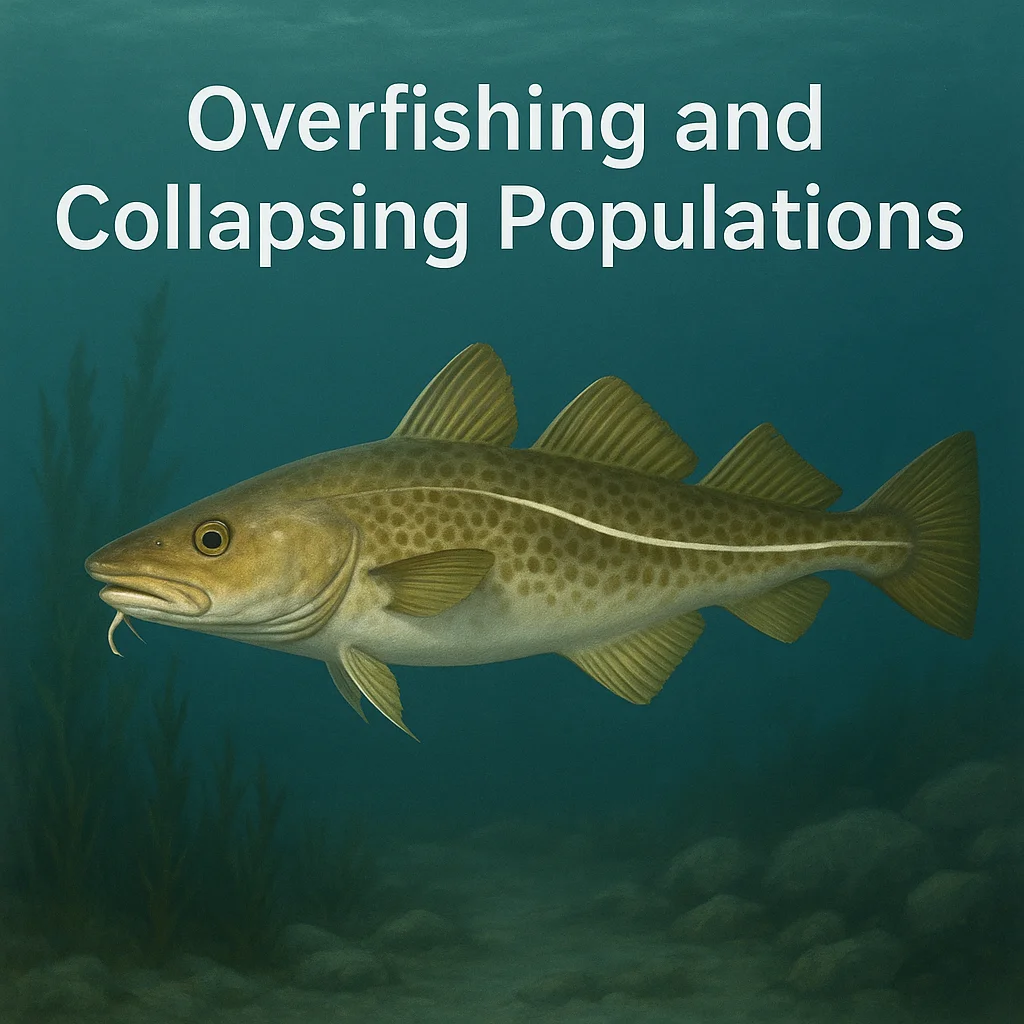
Fish play an important role in aquatic ecosystems. Each species contributes to broader ecological dynamics, such as controlling algae growth, providing food for predators, and supporting fishing industries. Overfishing jeopardizes these roles, impacting not only the targeted species but also the entire ecosystem.
In this article, we will explore where these creatures lived, how they thrived in their natural environments, when some populations began to collapse, and why it happened.
🧭 Where It Lived
Fishes are found in virtually every aquatic environment, from the smallest streams to the vast open oceans. Many species of fish that have been affected by overfishing once thrived in areas like the North Atlantic, the Indian Ocean, and around the Great Barrier Reef in Australia.
These habitats provide a myriad of ecological niches. For example, the North Atlantic had plentiful cod stocks that used to flourish due to the region's cold, nutrient-rich waters. Coral reefs in tropical oceans provided diverse structures for fish, while the vast open seas offered migratory paths.
Being localized to specific regions, many fish populations faced heightened risks. Limited range means fewer chances to find new habitats if their environment changes or is depleted. This geographic specialization made some species particularly vulnerable to overfishing and environmental changes.
🌿 Habitat and Daily Life
The fish affected by overfishing generally inhabited diverse environments ranging from temperate to tropical climates. The temperature and rainfall patterns varied greatly among their habitats, influencing the availability of food and breeding conditions.
Many fish relied on a rich supply of plankton and smaller fish for sustenance. Predatory fish, such as tunas and sharks, hunted in packs and migrated across long distances following their prey. Herbivorous fish helped control algae growth on coral reefs.
The life cycle of fishes typically included distinct phases like spawning, where adults gathered to reproduce. Eggs would hatch into larvae, which eventually grew into juveniles and then mature fishes. These stages were influenced by environmental conditions, food availability, and the presence of predators.
🧬 What Made It Unique
Many species had unique physical traits, such as the sleek bodies of tuna, which were built for speed, or the colorful, complex patterns of reef fish that allowed them to blend into their surroundings. These adaptations helped them thrive in their respective environments.
Fish played crucial ecological roles like grazing on algae to keep reefs healthy or being prey to larger marine animals, thus forming essential parts of food webs. Some fish, like the parrotfish, facilitated the production of sand by crunching coral and excreting it as fine sand, contributing to beach formation.
In many cultures, fish held significant historical importance. Communities depended on them for food, trade, and traditional ceremonies, underscoring their intrinsic value beyond mere ecological functions.
⏳ When It Disappeared
The collapse of fish populations due to overfishing often occurred gradually, with many species experiencing a slow decline. By the latter half of the 20th century, records showed significant reductions in several fish stocks, such as the famous Atlantic cod.
Declaring a species extinct is a careful decision. Fisheries biologists rely on a combination of catch statistics, research surveys, and sightings to determine when a population can no longer sustain itself. An "extinct" status is typically applied when exhaustive surveys over time fail to locate any individuals.
In some cases, species might still exist but become "extinct in the wild," meaning they only survive under human care, in aquariums or controlled environments, providing a slim hope for reintroduction if conditions allow.
⚠️ Why It Went Extinct
Overfishing was a primary driver of collapse, often because demand outpaced the natural replenishment rate of fish populations. The advent of industrial fishing techniques, like trawling and longlining, exacerbated this by allowing massive hauls.
Habitat loss and fragmentation further threatened fish. Coastal development, pollution, and climate change altered or destroyed crucial breeding and feeding grounds, leaving fish with fewer safe havens.
Invasive species introduced into aquatic ecosystems competed with native fish for resources or directly preyed on them, further straining populations struggling to survive.
Extinctions are rarely due to a single cause. They often result from a combination of factors that together reduce survival and reproductive success, pushing populations beyond the point of recovery.
🧩 How We Know (Evidence and Records)
Much of what we know about overfishing's impact is derived from decades of fishery records, museum specimens, and ecological surveys. Historical catch data provides insight into population abundance and trends over time.
Modern techniques, like genetic analysis, help verify the identity of fish populations and trace historical population declines. Photographic evidence and field notes contribute valuable context to these scientific analyses.
In some cases, species are difficult to confirm due to nocturnal habits or residing in remote underwater locales. This requires persistent efforts over many years to gather enough evidence for accurate assessment.
🛡️ Could It Have Been Saved
Conservation efforts, such as establishing marine protected areas and implementing sustainable catch limits, could have helped preserve many fish populations. These measures create safe environments where fish can breed and mature away from fishing pressures.
Controlling invasive species and restoring habitats provide further avenues for aiding fish recovery. Captive breeding efforts might serve as a last resort for particularly vulnerable species facing imminent extinction.
Unfortunately, these actions often came too late due to slow recognition of the problem or insufficient resources and political will to enforce necessary regulations when they were most needed.
🔁 Are There Any Survivors or Close Relatives Today
Many overfished species have close relatives that continue to thrive. For example, while certain tuna populations are severely depleted, other tuna species remain abundant.
Ecological replacements can fill similar roles in ecosystems. When one species declines, others may adapt to occupy the open niche, although this shift can disrupt existing balances.
Some species benefit from reintroduction and captive breeding initiatives, where appropriate steps are taken to support the reestablishment of populations in their natural habitats.
❓ Common Questions and Misconceptions
Was it hunted to extinction? Overfishing was a leading cause in many cases, but it's essential to consider other factors like habitat loss and climate change.
Why didn’t it adapt or move? Many fish are highly specialized to their environments, and rapid changes don't always allow time for adaptation or relocation.
Could it still be alive somewhere? While unlikely for some species, it's not impossible that small, unrecorded populations persist in remote areas.
What does 'declared extinct' actually mean? A species is declared extinct when thorough surveys over time find no living individuals.
What is the difference between endangered and extinct? Endangered species are at high risk of extinction, while extinct species no longer exist anywhere in the world.
Why are island species so vulnerable? Island species often evolve without natural predators and competitors, making them less resilient to significant changes.
📌 Summary
- Overfishing drastically affects aquatic ecosystems.
- Fish are found in various regions, including oceans and reefs.
- Habitats of concern include coral reefs and open seas.
- Fish diets range from algae to other fish, impacting food webs.
- Sleek or colorful, fish adaptations aid in survival.
- Significant decline observed in the late 20th century.
- Overfishing, habitat changes, and invasives drive extinction.
- Records include fisheries data and genetic studies.
- Close relatives may still exist but are also at risk.
- Conservation lessons stress sustainable practices and habitat protection.
- Even small conservation actions can have big impacts on survival.