🏞️ Invasive Predators vs. Naive Prey
🌍 What It Was
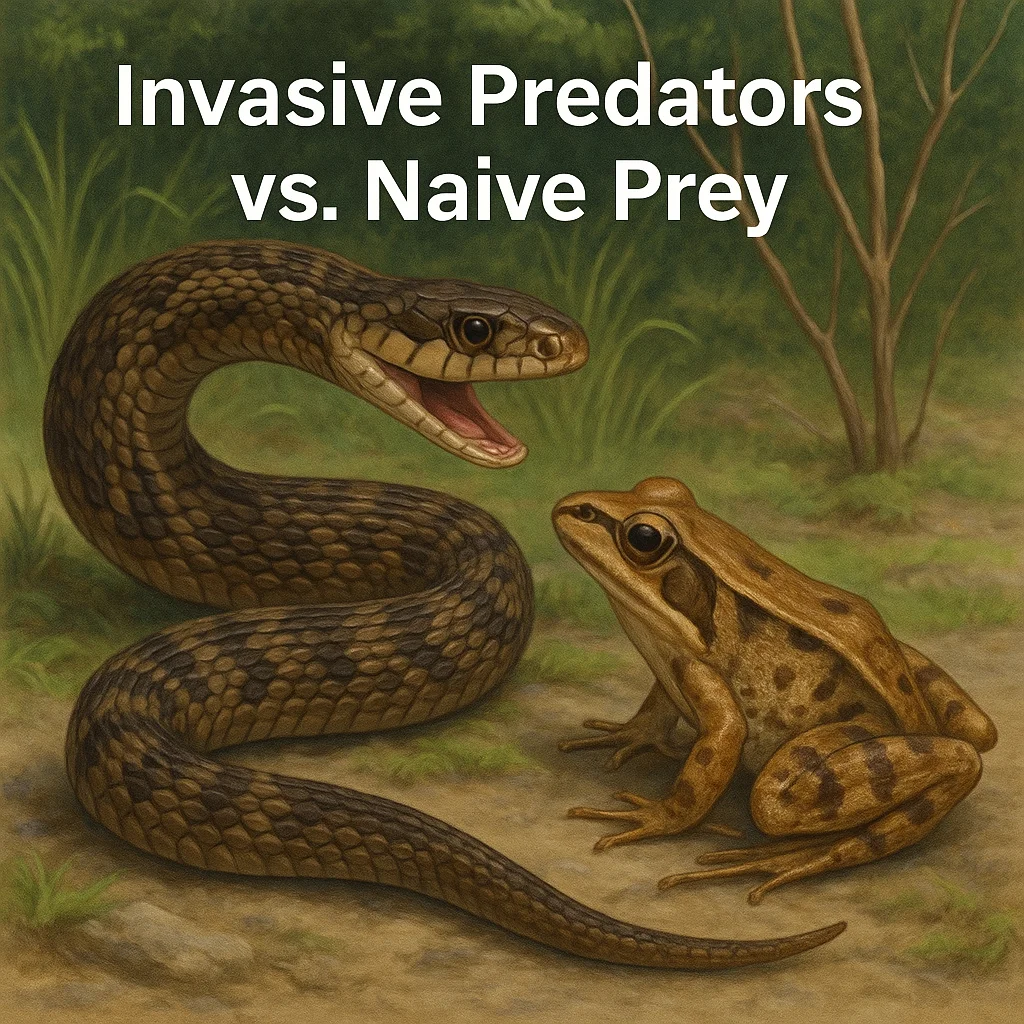
In the realm of extinction science, the challenge of invasive predators versus naive prey demonstrates a critical dynamic. This interaction has played a significant role in the extinction of numerous species. When non-native predators are introduced into a new environment, they often meet prey that have no evolved defenses against them, leading to devastating consequences for the native species.
Many species that have gone extinct due to this dynamic were unique in their respective ecosystems. These species often had no close relatives and played specific roles in their habitats. For learners, understanding this relationship provides insight into where these animals lived, their lifestyles, when they disappeared, and the reasons behind their extinction.
Invasive species, such as rats, cats, and certain birds, have significantly impacted isolated ecosystems. Island ecosystems have been particularly vulnerable due to their contained and specialized nature. As we explore this topic, we will unravel the various dimensions that contributed to this fascinating yet tragic aspect of extinction.
🧭 Where It Lived
The interactions between invasive predators and naive prey have primarily impacted island ecosystems. These include regions such as the Galapagos Islands, the Hawaiian Archipelago, New Zealand, and numerous other isolated coastal areas and islands.
The habitats within these islands range from dense tropical forests to volcanic landscapes and coastal zones. These varied environments provided rich resources and niches that native species adapted to over millennia. However, the introduction of invasive species upset these delicate balances.
Islands are often home to endemic species—species found nowhere else in the world. This isolation means that native species evolved without the presence of many of the predators found on larger continents. Their limited range made them particularly vulnerable when faced with new threats.
🌿 Habitat and Daily Life
The climates of these islands varied widely, from the humid tropics to temperate zones. These conditions supported diverse ecosystems, with specific temperatures and rainfall patterns supporting a variety of life forms. The seasonal variations and available resources dictated the behaviors of resident species.
Native prey species had specialized diets, often feeding on specific plant species, small invertebrates, or utilizing niche resources. Many island species exhibited unique foraging behaviors and played essential roles, such as pollination and seed dispersal.
The life cycles of these species were finely tuned to the rhythms of their environments. Breeding seasons, nesting behaviors, and offspring care were adapted to local conditions and the absence of significant land-based predators.
🧬 What Made It Unique
Island species typically exhibited unique physical traits and adaptations. The lack of natural predators often led to characteristics such as flightlessness in birds, unique coloration, and specialized feeding structures.
These species filled specific ecological roles. For example, some birds were crucial pollinators, while certain reptiles contributed to seed dispersal. Their physical and behavioral adaptations were intricately linked to their environmental niches.
In some cases, these species held cultural and historical significance. Indigenous cultures often revered these animals and incorporated them into folklore and traditional practices, recognizing their unique place in the world.
⏳ When It Disappeared
The timeline of extinction for many island species due to invasive predators spans the last few centuries. In the case of New Zealand's native birds and Hawaii's avian populations, records of decline began in the late 1700s and continued into the early 1900s.
Extinction declarations were often delayed due to challenges in confirming the complete absence of species, especially in remote or difficult-to-access locations. In some instances, species were deemed "extinct in the wild," meaning individuals survived in captivity.
The difficulty in conducting comprehensive surveys and identifying individuals led to uncertainties in timelines. Often, extinction was confirmed through long gaps in observations combined with museum records and specimen analysis.
⚠️ Why It Went Extinct
The extinction of native species due to invasive predators arises from multiple interconnected factors. One key driver is habitat loss and fragmentation, often exacerbated by human activities and the introduction of non-native plants and animals.
Overhunting and collection also played roles, as some invasive species outcompeted natives for resources, leading to declines in populations. Introduced species, such as rats and mongooses, preyed on native birds and small mammals, which lacked defenses against such predators.
Climate shifts and extreme weather events further impacted these fragile ecosystems, diminishing available habitats and food sources. Pollution and disease have also compounded these effects, although they have not been prominent factors in isolated cases.
🧩 How We Know (Evidence and Records)
Researchers rely on a variety of evidence to understand extinctions caused by invasive predators. Fossil records, museum specimens, and historical field notes provide insights into past conditions and species traits.
Advances in genetic analysis allow scientists to verify species identities and explore evolutionary history. Oral histories and indigenous knowledge also contribute to understanding the dynamics before modern documentation.
Challenges arise in confirming extinctions, particularly with hard-to-observe species or those in remote locations. Misidentifications can occur, but repeated verification efforts help clarify extinction status.
🛡️ Could It Have Been Saved
Conservation measures could potentially have mitigated the impact of invasive predators. Protecting habitats and establishing hunting limits would have provided immediate benefits to native species.
Invasive control efforts, such as eradicating invasive predators, hold promise but require significant resources and coordination. Captive breeding and reintroduction programs might have offered a lifeline for certain species if implemented in time.
Despite these possibilities, action often came too late. Once biodiversity loss reached a tipping point, restoring balance became increasingly challenging, underscoring the need for early intervention.
🔁 Are There Any Survivors or Close Relatives Today
While many species affected by invasive predators are now extinct, their closest living relatives often survive on other islands or continents. These relatives share similar ecological roles and physical traits.
In some cases, ecological replacements have emerged, with other species filling similar niches in the absence of the lost organisms. On certain islands, reintroduction efforts are underway, aiming to reinstate ecological functions once provided by extinct species.
Captive populations of some species persist, protected from the immediate threats of invasive predators, although reintroducing them into their native habitats remains a complex endeavor.
❓ Common Questions and Misconceptions
Was it hunted to extinction? In most cases, direct hunting was not the primary cause; rather, invasive predators posed a significant threat.
Why didn’t it adapt or move? Many island species had evolved over long periods in stable, predator-free environments and lacked the ability to swiftly adapt or relocate.
Could it still be alive somewhere? While possible, confirmation is difficult due to the challenges of locating rare or secretive species in remote areas.
What does 'declared extinct' actually mean? It signifies extensive searches have failed to find any individuals, suggesting the species no longer exists in the wild or at all.
What is the difference between endangered and extinct? Endangered species are at risk of extinction, while extinct species are confirmed as no longer existing.
Why are island species so vulnerable? Their isolation and specialized adaptations make them less able to cope with new threats introduced by invasive species.
📌 Summary
- Interaction between invasive predators and naive prey contributes to extinction dynamics.
- Impacted species often lived in island ecosystems, such as the Pacific islands.
- Habitats ranged from tropical forests to coastal areas.
- Species had specialized diets and behaviors, crucial for their ecosystems.
- Unique adaptations included flightlessness and specialized feeding traits.
- Last known populations diminished from the late 1700s to early 1900s.
- Multi-causal extinction drivers included invasive species and habitat loss.
- Evidence includes fossils, genetics, and historical notes.
- Closest living relatives survive in less impacted areas.
- Lessons emphasize the need for early conservation efforts.
- Invasive predator introduction upsets fragile island ecologies.