🏞️ How Invasives Spread Globally
🌍 What It Was
Invasive species are organisms that are not native to a specific location and have a tendency to spread, which can cause harm to the environment, the economy, or human health. They may include animals, plants, fungi, or even microorganisms. These species can become invasive when they are introduced to new environments where they lack natural predators or control mechanisms.
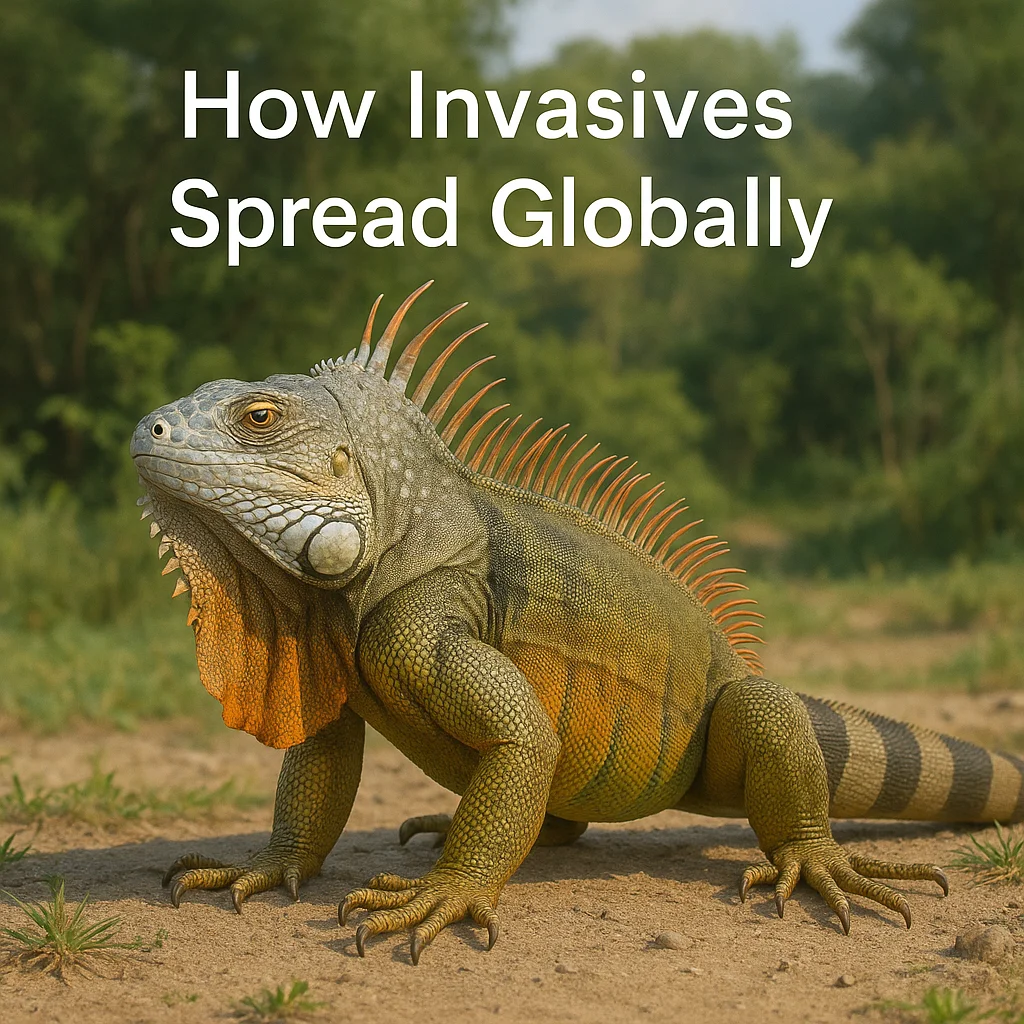
Invasive species can significantly impact their new ecosystems by outcompeting native species for resources, altering habitats, and even introducing diseases. This shift in balance can lead to the decline or extinction of native species, leading to reduced biodiversity.
In this article, we'll explore how invasive species spread globally, the regions they have affected, and the reasons for their success in these new environments. Readers will also learn about some of the key factors contributing to their movement and the challenges faced in managing their spread.
🧭 Where It Lived
Invasive species can be found in nearly every type of ecosystem around the world. They have established themselves in various regions, including continents, islands, and even isolated habitats. While some species remain confined to specific areas, others have spread across multiple continents.
Islands are particularly vulnerable to invasives due to their isolated nature and unique ecosystems. Many island species have evolved without the presence of certain predators or competitors, making them especially susceptible when non-native species are introduced. This can lead to drastic changes in the ecosystem dynamics.
Regions such as North America, Europe, and Australia have been heavily impacted by invasive species like zebra mussels, Asian carp, and cane toads. These species have not only altered the habitats they invaded but have also affected local economies and biodiversity.
🌿 Habitat and Daily Life
Invasive species often thrive in diverse climates and environments, from tropical to temperate zones. They can adapt to various conditions, such as temperature fluctuations, rainfall patterns, and seasonal changes, which helps them establish and spread in new areas.
These species usually have adaptable diets, allowing them to exploit food resources effectively. Whether they are herbivores, carnivores, or omnivores, their ability to find new food sources gives them an advantage over native species.
The behaviors of invasive species can vary widely. Some may migrate long distances, while others might establish dense populations in local areas. Reproduction strategies also contribute to their spread; many invasives reproduce quickly and in large numbers, increasing their chances of colonizing new territories.
🧬 What Made It Unique
Invasive species often possess certain traits that make them successful in new environments. For example, they may have rapid growth rates, high reproductive output, and broad environmental tolerances. These traits help them outcompete native species for resources.
Some invasives have special adaptations such as seed dispersal mechanisms or the ability to alter their surrounding habitat to suit their needs. These adaptations not only aid in their survival but also contribute to their spread across different ecosystems.
In terms of cultural significance, certain invasives have become well-known due to their impact. For instance, the introduction of European starlings to North America was driven by a desire to introduce all birds mentioned in Shakespeare's works. This has resulted in one of the most prevalent invasive bird species in the region.
⏳ When It Disappeared
Unlike organisms that have gone extinct, invasive species often proliferate rather than disappear. However, their impact on other species can be severe, leading to local extinctions or drastic declines in native populations. In some instances, management actions have successfully reduced their numbers or eradicated them from specific regions.
The decision to declare a species invasive is based on significant evidence of its impact on native ecosystems and biodiversity. This includes data from field surveys, ecological studies, and reports from impacted regions. While complete eradication can be challenging, reducing their numbers to manageable levels is often the goal.
It is important to note that the presence and impact of invasive species can vary over time, influenced by factors such as climate change, habitat modifications, and human actions. Efforts to monitor and understand these dynamics are crucial for effective management.
⚠️ Why It Went Extinct
Invasive species contribute to the extinction of native species through several mechanisms. Habitat loss and fragmentation occur when invasives alter natural landscapes, making them inhospitable for native species. This can lead to a decrease in habitat size and connectivity.
Invasive species may also cause the decline of native populations through direct competition for resources or by introducing new predators or diseases. For example, the brown tree snake has decimated bird populations on Guam by preying on them and their fledglings.
Climate shifts and extreme events can further facilitate the spread of invasives by creating conditions favorable for their growth while simultaneously stressing native species. Pollution, such as nutrient runoff or chemical contamination, can exacerbate these effects by altering ecosystems in ways that favor invasive species.
🧩 How We Know (Evidence and Records)
The study of invasive species relies on various types of evidence to understand their spread and impact. Field surveys, ecological research, and genetic studies are common methods used to track and monitor invasives.
Museum specimens, historical records, and oral histories provide additional insights into the introduction and expansion of invasive species over time. These records help scientists piece together the history and progression of invasions.
Verification of identity and dates is crucial in studying invasives; misidentification or inaccurate records can lead to misunderstandings about their true impact. Detailed documentation and multiple data sources enhance the accuracy of these studies.
🛡️ Could It Have Been Saved
Managing invasive species involves a range of strategies, such as habitat protection, regulation of trade and movement, and public awareness campaigns. Early detection and rapid response are critical for preventing the establishment of new invasives.
Control measures, like mechanical removal, chemical treatments, or biological control using natural predators or competitors, can help reduce invasive populations. These actions require careful planning to minimize unintended consequences to native species.
Despite the challenges, some late conservation efforts have successfully curtailed the spread of specific invasives, demonstrating the importance of proactive and coordinated response strategies.
🔁 Are There Any Survivors or Close Relatives Today
While the focus of invasive species research is often on the impact of the spread, understanding their relatives can provide insights into their evolutionary adaptations. Many invasives have close relatives in their native ranges that may serve as ecological replacements in their original ecosystems.
Some efforts have been made to reintroduce native species into areas affected by invasives, either by restocking populations or through habitat restoration. These initiatives aim to restore ecological balance and enhance biodiversity.
Captive breeding programs for native species impacted by invasives can also help maintain genetic diversity and support future reintroduction efforts.
❓ Common Questions and Misconceptions
Was it hunted to extinction? Invasive species themselves are rarely hunted to extinction, but they often lead to the decline of native species through competition and predation.
Why didn’t it adapt or move? Invasive species often adapt quickly or find favorable conditions in new areas, but native species may struggle to adapt in time to the pressures introduced by invasives.
Could it still be alive somewhere? Invasive species are usually widespread within new areas, but localized control efforts can sometimes lead to pockets of recovery for native species.
What does 'declared extinct' actually mean? It refers to a species being considered gone from the wild or entirely when exhaustive surveys fail to find any living specimens.
What is the difference between endangered and extinct? Endangered species face a high risk of extinction, while extinct species are no longer in existence.
Why are island species so vulnerable? Island species often lack strong defenses against predators or competitors due to their evolved isolation, making them vulnerable to invasives.
📌 Summary
- Invasive species are non-native organisms that spread and cause harm.
- They can be found in ecosystems worldwide, including islands and continents.
- Invasive species thrive in various climates and adapt to new environments.
- Using traits like rapid reproduction and adaptable diets, they outcompete natives.
- Invasives lead to habitat changes and increased risk for native species.
- Management involves early detection, habitat restoration, and control measures.
- Evidence from field studies, museum specimens, and genetic research aids understanding.
- Conservation can reduce impacts through coordinated response and awareness.
- Relatives of invasives can provide insights; native restorations support biodiversity.
- Successful invasive management highlights the importance of proactive strategies.
- Island species' vulnerability showcases the unique challenges of ecological balance.