🏞️ Monitoring Outbreaks in the Wild
🌍 What It Was
In this article, we explore a fascinating yet tragic chapter in the history of biodiversity – the extinction of certain species due to sudden outbreaks in their natural habitats. Often unnoticed until too late, these outbreaks pose significant threats to wildlife.
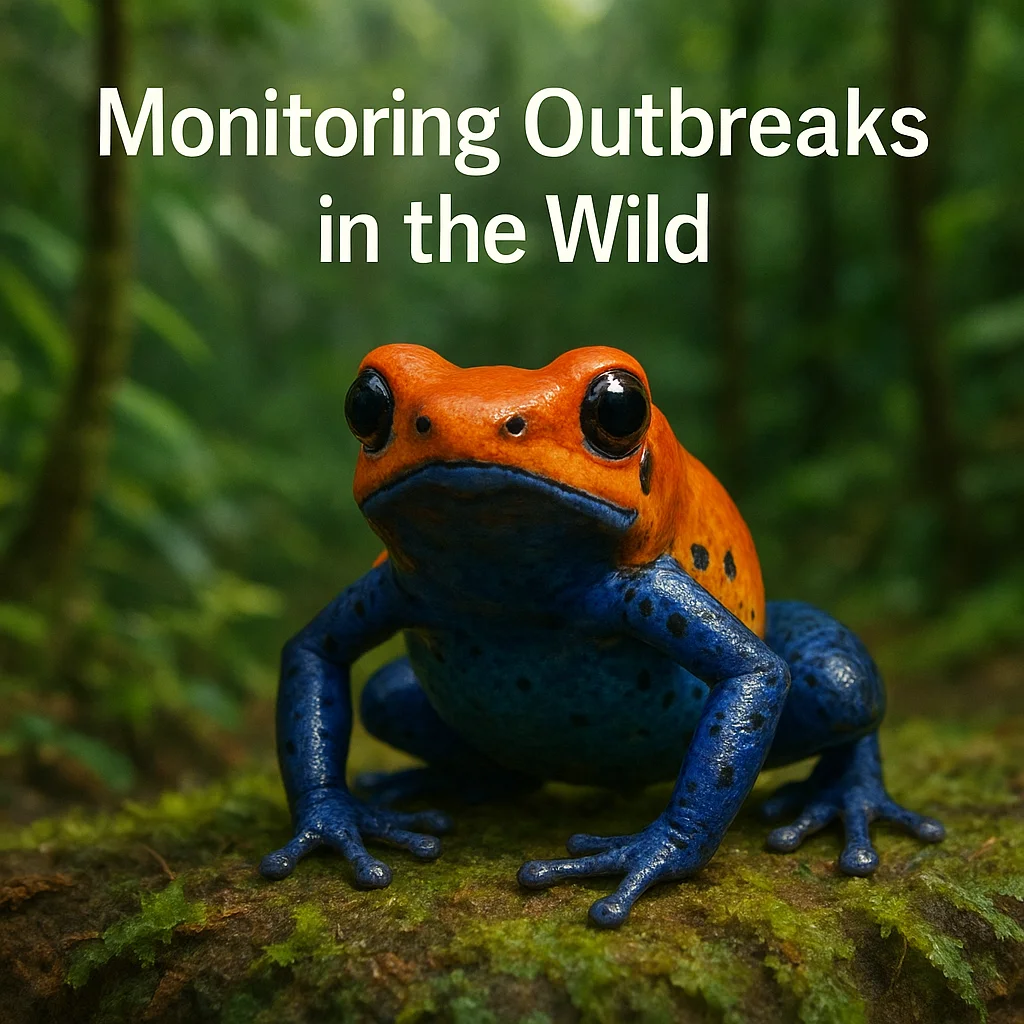
Various animals have been affected by outbreaks, including frogs, bats, and birds. These species, linked to diverse ecosystems, have seen rapid declines triggered by diseases or other ecological disruptions.
Readers will discover where these animals lived, how outbreaks impacted their survival, and the lessons researchers learned from these events.
🧭 Where It Lived
The geographic range of species affected by outbreaks often varies significantly. Amphibians, like certain species of frogs, inhabit humid tropical forests found in Central and South America. The rich biodiversity of these regions makes them particularly susceptible to changes.
Islands across the Pacific and Indian Oceans are also hotspots for outbreaks. These isolated regions, often home to unique endemic species, face high risks due to their limited area and vulnerability to invasive species.
In North America and Europe, bats living in caves have been heavily impacted. Both regions offer diverse habitats, but the localized nature of caves boundaries their populations, exacerbating risks from disease outbreaks.
🌿 Habitat and Daily Life
These animals resided in varied environments. Rainforests provide warm and humid conditions essential for frogs, while caves offer constant temperatures ideal for bats. Plains and wetlands supported birds with nesting grounds and dew-laden grass for foraging.
Most affected species had specific diets reliant on their habitats. Frogs fed on insects, while bats feasted on fruits and insects, showing remarkable foraging and hunting skills. Birds also displayed varied diets, including seeds, insects, or nectar, depending on their species.
The reproductive cycles of these animals are closely tied to their ecological conditions. Frogs typically breed during rainy seasons, increasing offspring survival. Bats give birth in warm seasons when food is plentiful, and birds often nest in safe, concealed locations to protect their young.
🧬 What Made It Unique
The animals affected by outbreaks had distinctive traits. Vibrant colors and varied size characterize many frogs, aiding in camouflage or mating. The echolocation ability of bats is vital for navigation and hunting in darkness.
Birds exhibit unique colors and song patterns, contributing to their ecological roles as seed dispersers or pollinators in various ecosystems. These adaptations not only ensured survival but also formed the foundation of their niches.
Historically, these animals have held various cultural significances, appearing in folklore or as part of indigenous traditions, linking human societies closely to their natural habitats.
⏳ When It Disappeared
Extinctions from outbreaks have often occurred rapidly. Frogs experienced major declines in the late 20th century, with last confirmed sightings in diverse locales found within decades. For many affected bat species, evidence of extinction started emerging in the early 2000s due to sudden population crashes.
In many cases, the term "Extinct in the Wild" is applied when only a few individuals survive in controlled environments or captivity. This status precedes complete extinction and serves as a warning for conserving remaining ecosystems.
Uncertainties remain in extinction timelines, stemming from challenges such as the remote habitats these species occupy and misidentifications in historical records.
⚠️ Why It Went Extinct
Three primary drivers of extinction due to outbreaks include disease, habitat loss/fragmentation, and introduced species. These factors frequently interact, making their impacts difficult to isolate entirely.
Disease outbreaks, like chytridiomycosis in frogs, directly impact survival by attacking skin, crucial for respiration. For bats, diseases such as white-nose syndrome interfere with their hibernation, leading to starvation and depletion.
Simultaneously, habitats continue to degrade through climate shifts or deforestation, reducing available areas for breeding and shelter. Fragmented landscapes inhibit migration, further threatening isolated populations.
Introduced species add to the pressures through direct predation or competition for resources, affecting recovery from initial outbreaks. Collectively, these pressures lead to declines and eventual extinctions.
🧩 How We Know (Evidence and Records)
Scientists acquire knowledge of extinction through various evidence, including fossils, museum specimens, field observations, and oral histories. These records, along with genetic analyses, help confirm identities and extinction dates.
The sparse and remote populations of many species make evidence collection challenging. Misidentifications in field notes can also complicate verification processes, emphasizing the need for careful scientific scrutiny.
For some species, such as deep-sea creatures or those inhabiting isolated terrain, limited access adds additional complexities to near-extinction verification.
🛡️ Could It Have Been Saved
Many extinctions due to outbreaks could potentially have been avoided through timely conservation efforts. Protecting critical habitats and controlling invasive species can mitigate risks significantly.
Captive breeding offers a potential solution for maintaining genetic diversity, while legal hunting restrictions could have decreased additional pressures on vulnerable populations.
Nevertheless, conservation actions are complicated by limited resources and delayed recognition of the crisis severity. Despite these hurdles, some late efforts have offered partial successes, particularly in disease management.
🔁 Are There Any Survivors or Close Relatives Today
Some affected species have close relatives still thriving. Many remaining frog species share similar ecological roles, maintaining ecosystem balances through insect control.
Similarly, bats across different geographic regions continue to thrive, carrying forward their vital roles as pollinators and seed dispersers, benefiting agricultural ecosystems.
In certain cases, similar species serve as "ecological replacements," fulfilling roles of their extinct counterparts, although none entirely replicate the former biodiversity richness.
❓ Common Questions and Misconceptions
Was it hunted to extinction? Not directly. Outbreak-driven extinctions primarily resulted from diseases; however, hunting exacerbated pressures.
Why didn’t it adapt or move? Rapid changes often outpace evolutionary adaptation, and geographical limits constrain migration capacity.
Could it still be alive somewhere? While unlikely, particularly for widely studied species, undiscovered populations may exist in remote habitats.
What does 'declared extinct' actually mean? A species is declared extinct when thorough searches fail to locate living individuals, typically verified by expert assessments.
What is the difference between endangered and extinct? Endangered species face a high risk of extinction, while extinct species have no surviving individuals known.
Why are island species so vulnerable? Isolation often leads to limited genetic pools and few natural predators, making island species more susceptible to new threats.
📌 Summary
- Outbreak-driven extinctions have impacted frogs, bats, and birds across diverse ecosystems.
- Affected animals lived in tropical forests, islands, caves, and wetlands.
- Habitats included rainforests, caves, and varied climates.
- Diet varied: insects for frogs, fruits and insects for bats, seeds for birds.
- Adaptations like echolocation and vibrant coloring supported their roles.
- Late 20th century saw major declines, particularly for amphibians.
- Main extinction drivers include disease, habitat loss, and invasive species.
- Evidence from fossils to genetics substantiates extinction data.
- Surviving relatives continue ecological roles across habitats.
- Preventative actions, though often late, stress urgent conservation.
- Learning from these extinctions highlights the urgency to protect biodiversity.