🏞️ How Conservation Adapts to Climate Change
🌍 What It Was
Climate change is an ongoing global phenomenon that affects every part of our environment. In the context of conservation, it reshapes the strategies we use to protect endangered species and preserve biodiversity. This article explores the ways in which conservation adapts to the challenges posed by climate change, providing a beginner-friendly overview.
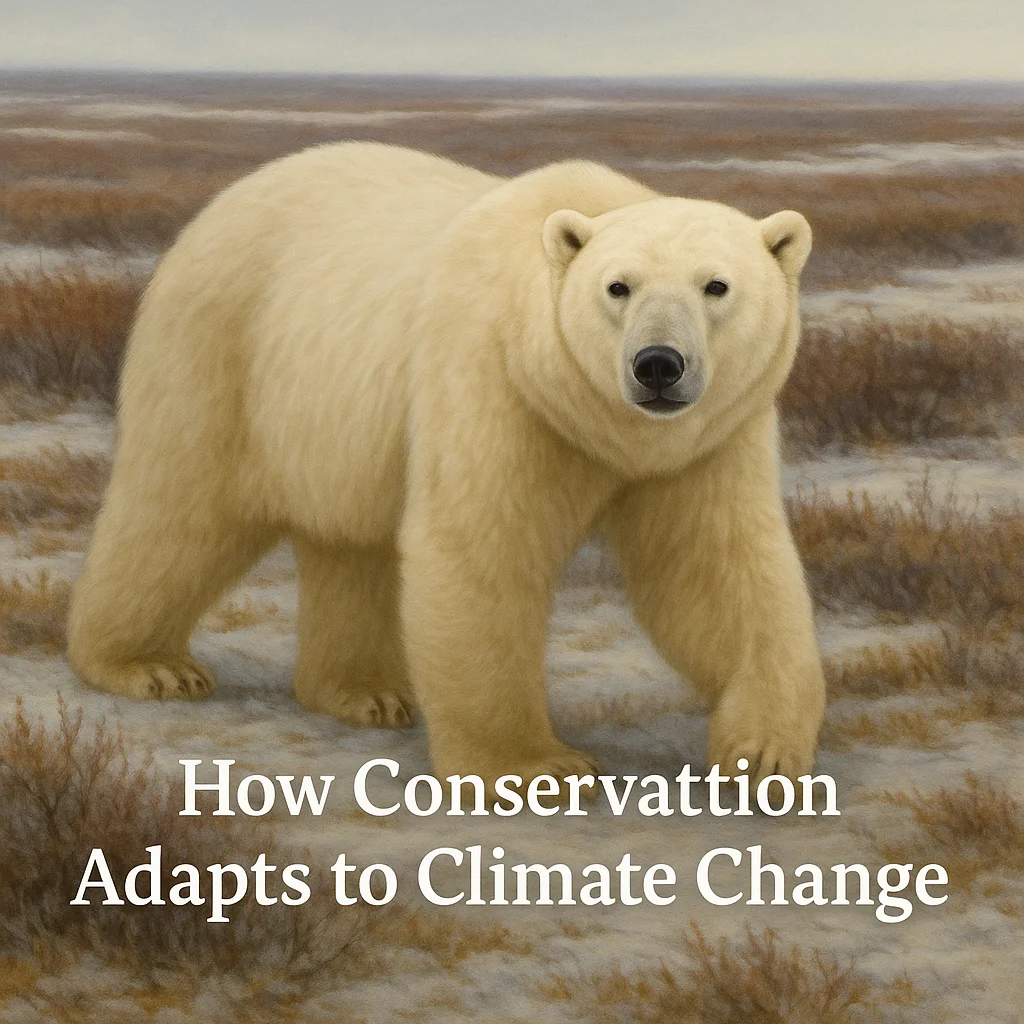
The aim is to understand how climate change impacts wildlife and habitats, and how conservationists are working to mitigate these effects. It is crucial for anyone interested in extinction science and extinct animals to comprehend these adaptive strategies as they form a key part of modern conservation efforts.
With climate change altering natural conditions, researchers and conservationists face new dilemmas. In this article, we will delve into various approaches such as habitat protection, species translocation, and policy changes that are applied globally to counteract these challenges.
🧭 Where It Lived
Species affected by climate change are spread across the globe. From the Arctic tundra, where polar bears depend on sea ice, to the tropical forests where amphibians thrive, wildlife is experiencing shifts in their geographic range.
Many species are endemic, meaning they are found only in specific areas. Island species, in particular, face significant risk due to their limited distributions. Their survival is often tied directly to their confined habitats.
The physical regions where species live—whether forests, grasslands, or wetlands—are being altered by climate change. This modification of habitats poses a grave threat to species that depend on specific environmental conditions for survival.
🌿 Habitat and Daily Life
The changing climate affects the temperature, rainfall patterns, and seasonal cues that have been stable for millennia. A warmer planet disrupts the delicate balance of ecosystems.
Animals have adapted over time to specific diets and behaviors. Changes in food availability and habitat structure can force species to adapt by altering their foraging habits or migrating to new areas, sometimes with negative consequences.
Climate impacts are evident in breeding patterns as well. The timing of reproductive cycles, which depend on environmental cues, becomes misaligned, affecting offspring survival rates.
Species interactions also shift as a result. New competitors, predators, and even symbiotic relationships emerge, sometimes threatening existing species that are unprepared for these changes.
🧬 What Made It Unique
Many endangered species have unique physical traits or ecological roles that help define entire ecosystems. These can include specialized feeding habits or critical roles in seed dispersion and habitat maintenance.
The adaptations they have evolved can include specialized senses or physical attributes suited to their environment, like the ability to regulate heat or camouflage within particular surroundings.
Culturally and historically, humans may have valued these species for various reasons, from symbolic significance to economic resources. The loss of these species can have profound ecological and cultural impacts.
⏳ When It Disappeared
The disappearance of species due to climate change occurs over varying timelines. Some experience rapid declines, while others fade slowly due to gradual habitat loss or climatic shifts.
The process of declaring a species extinct requires evidence such as the lack of sightings or scientific verification that a species no longer survives in the wild.
Not all disappearances mean total extinction. Some species may persist outside their natural habitats, termed "Extinct in the Wild," meaning they survive only in captivity or other controlled environments.
⚠️ Why It Went Extinct
Extinction drivers related to climate change include habitat loss and fragmentation. As climates shift, habitats can become unsuitable, fragmented, or entirely vanish, leaving species homeless.
Extreme weather events, more common with climate change, can produce immediate threats like habitat destruction or food scarcity, putting immense pressure on wildlife populations.
Rising temperatures and altered precipitation patterns can also fuel the spread of diseases, affecting species that have no immunity or defense mechanisms against new pathogens.
🧩 How We Know (Evidence and Records)
Conservationists rely on a variety of evidence to understand and confirm species extinctions or population declines. These include fossils, museum specimens, field notes, and more.
Genetic analysis plays a critical role in confirming species identity and understanding evolutionary history. This information is essential in adaptive conservation planning.
Due to climate challenges, verifying the exact status of many species can be difficult, especially those in remote or nocturnal environments, making continuous research and innovation necessary.
🛡️ Could It Have Been Saved
Many extinct species might have survived if conservation strategies had been implemented sooner. Protecting critical habitats and establishing conservation corridors are effective measures.
Invasive species control and captive breeding programs could have possibly ensured species longevity. However, delays in policy implementation and conservation actions often meant efforts came too late.
Some late-stage attempts do show promise for current endangered species, illustrating the importance of forward-thinking and proactive measures in conservation planning.
🔁 Are There Any Survivors or Close Relatives Today
The closest living relatives of many extinct species continue to provide insight into the past and present needs of similar organisms, helping in strategizing conservation actions.
Ecological replacements, or species that fill similar roles, can help balance ecosystems but cannot replace the exact ecological niche of extinct species.
Reintroduction programs, when applicable, offer hope for restoring ecologically significant roles using existing genetically viable populations or close relatives.
❓ Common Questions and Misconceptions
Was it hunted to extinction? While some species face overhunting, climate change impacts are now significant drivers of extinction.
Why didn’t it adapt or move? Adaptations occur over long periods, and rapid climate change leaves many species unable to adjust in time.
Could it still be alive somewhere? It is possible in unstudied or remote areas, but unlikely for species declared extinct without sightings for decades.
What does 'declared extinct' actually mean? It signifies that, despite exhaustive searches, no individuals are found to remain alive in the wild.
What is the difference between endangered and extinct? "Endangered" species are at risk of extinction; "extinct" species are no longer existing.
Why are island species so vulnerable? Their restricted habitats provide few options for adaptation or escape in response to threats.
📌 Summary
- Climate change affects wildlife globally, prompting new conservation strategies.
- Species at risk are spread across varied habitats worldwide.
- Altered habitats, impacted by climatic shifts, threaten species survival.
- Species face disruptions to diets, breeding, and interactions.
- Unique species traits are often tied to ecosystem health.
- Extinctions involve complex timelines and require confirmation.
- Main extinction drivers include habitat loss and extreme weather events.
- Evidence includes fossils, genetic data, and historical records.
- Proactive conservation can mitigate future extinction risks.
- Close relatives and ecological replacements influence present ecosystems.
- Continued research and adaption are crucial as the climate changes further.
- The balance between human intervention and natural processes remains vital.