🏞️ Climate Refugees in the Animal World
🌍 What It Was
The term "climate refugee" in the animal world refers to species that have been displaced due to significant changes in their environment. As climates shift, animals that once thrived in stable conditions face challenges that can lead to extinction if they cannot adapt or migrate. This involves various creatures across different habitats, showcasing the diverse impact of climate change.
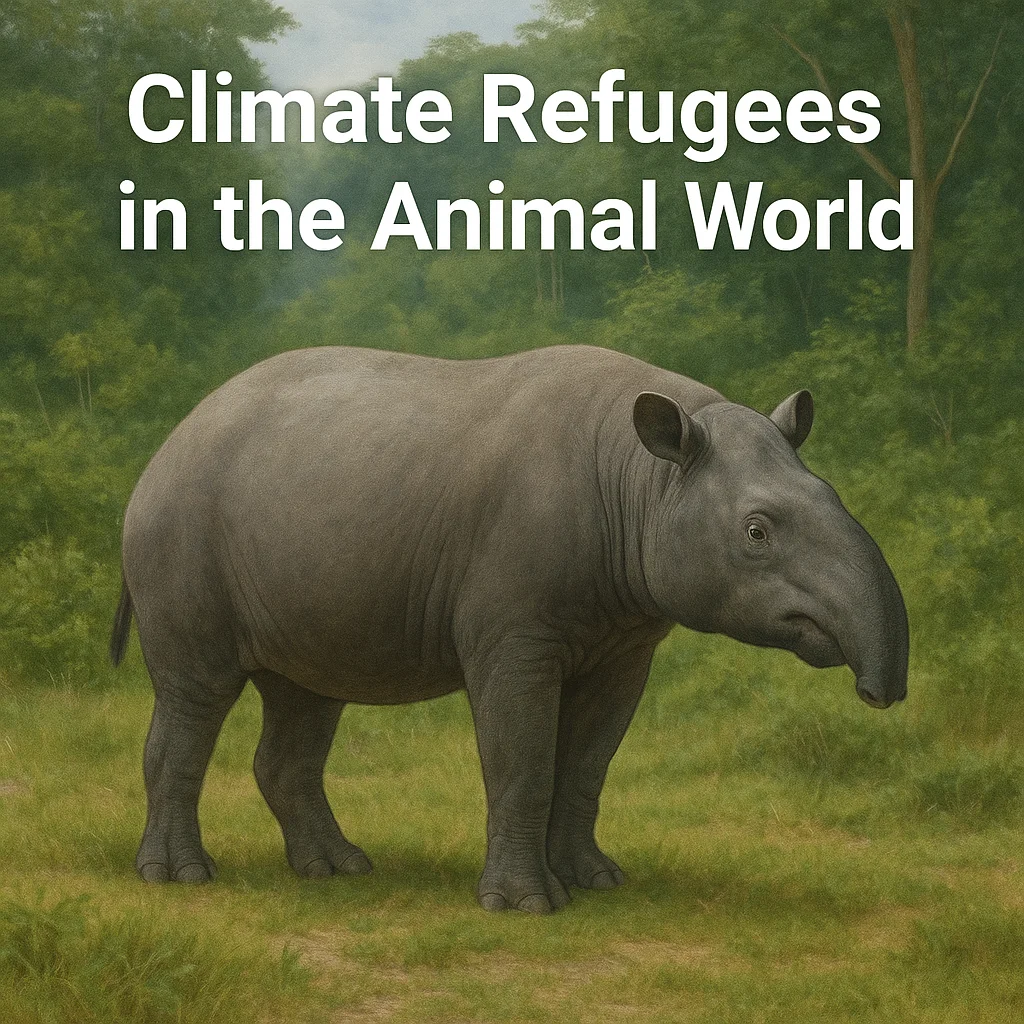
For many of these species, their closest living relatives are often those that have found a way to adapt to changing conditions or reside in more stable environments. These include birds that have migrated to new regions or mammals that have adapted new feeding strategies. Understanding what has happened to these species provides insight into the broader patterns of climate change and its biological impact.
This article explores where these animals lived, how they survived, when they disappeared, and why they became climate refugees. By doing so, it serves as an introduction to the relationship between climate dynamics and extinction.
🧭 Where It Lived
These animals often resided in regions most sensitive to climate change, such as the poles, mountains, and islands. These areas are particularly vulnerable due to their specific conditions, which can quickly shift beyond what the native species can tolerate. For example, polar regions are warming at an unprecedented rate, affecting species that depend on ice for survival.
Many island species have become climate refugees because the geographical isolation limits their ability to migrate. Islands often harbor endemic species—those found nowhere else. Climate shifts can disrupt these delicate ecosystems, leading to the displacement or extinction of species that lack alternative habitats.
Other vulnerable areas include alpine regions and wetlands, where specialized species depend on precise climate conditions. As temperatures rise, these habitats may no longer support the life forms that evolved to live there, forcing them to move or face extinction.
🌿 Habitat and Daily Life
These displaced species often lived in climates with predictable patterns of temperature and rainfall, contributing to stable ecosystems. For many, their survival depended on specific seasonal changes that dictated their breeding and feeding habits. Sudden climate shifts disrupt these patterns, leading to challenges such as reduced food availability and unsuitable breeding conditions.
Their diets and behaviors were intrinsically linked to their environments. For example, some relied on specific plants or prey species that were likewise affected by climate change. Migration patterns, nesting habits, and social structures could all be disrupted, leading to decreased survival and reproduction rates.
Reproduction cycles were timed to coincide with optimal environmental conditions. Climate change may disrupt these cycles, affecting the species' ability to raise their young. Interactions with other species, including predation and competition, would also change, sometimes unfavorably.
🧬 What Made It Unique
These animals often possessed unique adaptations suited for their specific habitats, such as specialized feeding appendages or camouflage mechanisms to avoid predators. They played critical roles in their ecosystems, such as pollinators, seed dispersers, or regulators of prey populations.
Many species had developed keen senses and abilities tailored to their environment. For instance, marine animals might have developed enhanced navigation skills to migrate effectively, whereas nocturnal creatures could have acute hearing or sight adaptations.
Culturally, some of these animals held significance for indigenous peoples who lived alongside them and often relied on them for sustenance or symbolic purposes. This connection adds a layer of complexity to their extinction, showing how ecological and cultural systems are intertwined.
⏳ When It Disappeared
The timeline for these extinctions varies, with some occurring in recent decades as climate impacts accelerate. Last confirmed sightings often serve as data points marking their decline, but due to remote or inaccessible habitats, exact dates can be challenging to pin down.
Extinction is officially declared when exhaustive searches fail to find any surviving individuals. However, uncertain records and misidentifications frequently complicate declarations, leaving room for debate about the species' final status.
Some species are classified as "Extinct in the Wild," meaning they only survive in captivity. This status highlights the urgency of conservation efforts and the precariousness of future survival.
⚠️ Why It Went Extinct
The main drivers of these extinctions are multifaceted, often involving habitat loss through natural disasters exacerbated by climate change. Deforestation, wetlands draining, or urban sprawl can fragment habitats, making it difficult for wildlife to survive.
Overhunting and overfishing also contribute to declining populations, as smaller numbers make it harder for species to maintain genetic diversity and adapt to changes. Introduced species, which are non-native, often compete with or prey on native species, tipping the balance required for survival.
Changing temperatures and weather patterns force some species into unsuitable climates, affecting food sources and reproductive cycles. Those unable to migrate or adapt quickly enough may not survive, illustrating a complex interplay of causes leading to their extinction.
🧩 How We Know (Evidence and Records)
Researchers rely on various types of evidence to understand these extinctions, including fossils and subfossils which provide historical context. Museum specimens offer valuable insights into the species' physical characteristics and past distributions.
Field notes, photographs, and oral histories from indigenous peoples or early explorers also contribute to our understanding but may lack precision. Recent advances in genetics allow for precise species identification and can help clarify uncertain classifications.
Challenges arise when species live in hard-to-access environments or exhibit elusive behaviors, leading to gaps in data. Scientists strive to piece together these narratives using available evidence, though confirmations can remain elusive for such creatures.
🛡️ Could It Have Been Saved
Realistic conservation measures, if implemented early, could have potentially mitigated these extinctions. Protecting critical habitats, establishing hunting limits, and controlling invasive species are common strategies.
However, conservation actions often came too late, as the necessary awareness or technology wasn't available in time. Trade-offs between development and conservation priorities can delay crucial interventions.
There have been late-stage attempts to save some species through captive breeding programs or habitat restoration. While successful in some cases, these efforts highlight the complexity and patience required for effective conservation.
🔁 Are There Any Survivors or Close Relatives Today
The closest living relatives of extinct climate refugees often share similar adaptations that helped them survive. These can include genetic cousins that inhabit overlapping or nearby habitats.
In ecosystems, "ecological replacements" might emerge, taking on roles left vacant by extinct relatives. These species may not be direct descendants but fill similar niches in the ecosystem.
Sometimes, captive breeding or reintroduction programs aim to re-establish populations in the wild. Such programs are typically complex and require long-term commitment and monitoring to succeed.
❓ Common Questions and Misconceptions
Q: Was it hunted to extinction? A: Overhunting contributed to some extinctions, but climate change and habitat loss are often more significant factors.
Q: Why didn’t it adapt or move? A: Many species cannot adapt or migrate fast enough to cope with rapid climate changes.
Q: Could it still be alive somewhere? A: While some sightings fuel hope, lack of confirmed evidence usually supports an extinction declaration.
Q: What does "declared extinct" actually mean? A: It means all reasonable searches have failed to find any living individuals.
Q: What is the difference between endangered and extinct? A: Endangered species are at high risk of extinction but still have surviving populations.
Q: Why are island species so vulnerable? A: Isolation limits their ability to migrate and adapt, and they often have no natural predators to outcompete them for resources.
📌 Summary
- Climate refugees are animal species displaced by significant environmental changes.
- They lived in vulnerable regions like islands, poles, and mountains.
- Habitat types included forests, wetlands, and alpine areas.
- Diet and behavior were closely linked to specific environmental conditions.
- Unique adaptations made species suited to precise ecological niches.
- Last sightings vary, with many extinctions occurring recently.
- Extinctions driven by multi-causal factors: climate, habitat loss, invasive species.
- Evidence includes fossils, specimens, field notes, and genetics.
- Closest living relatives often share ecological roles.
- Conservation lessons stress the urgency of early action and habitat protection.
- A takeaway: Species displacement exemplifies the urgent need for climate action.