🏞️ How We Confirm Extinction Today
🌍 What It Was
In the journey of understanding extinction, we often encounter fascinating creatures that once roamed our planet. For this exploration, imagine a type of animal whose presence and behavior inspired curiosity and research. Perhaps it was a bird with colorful feathers or a mammal with unique adaptations.
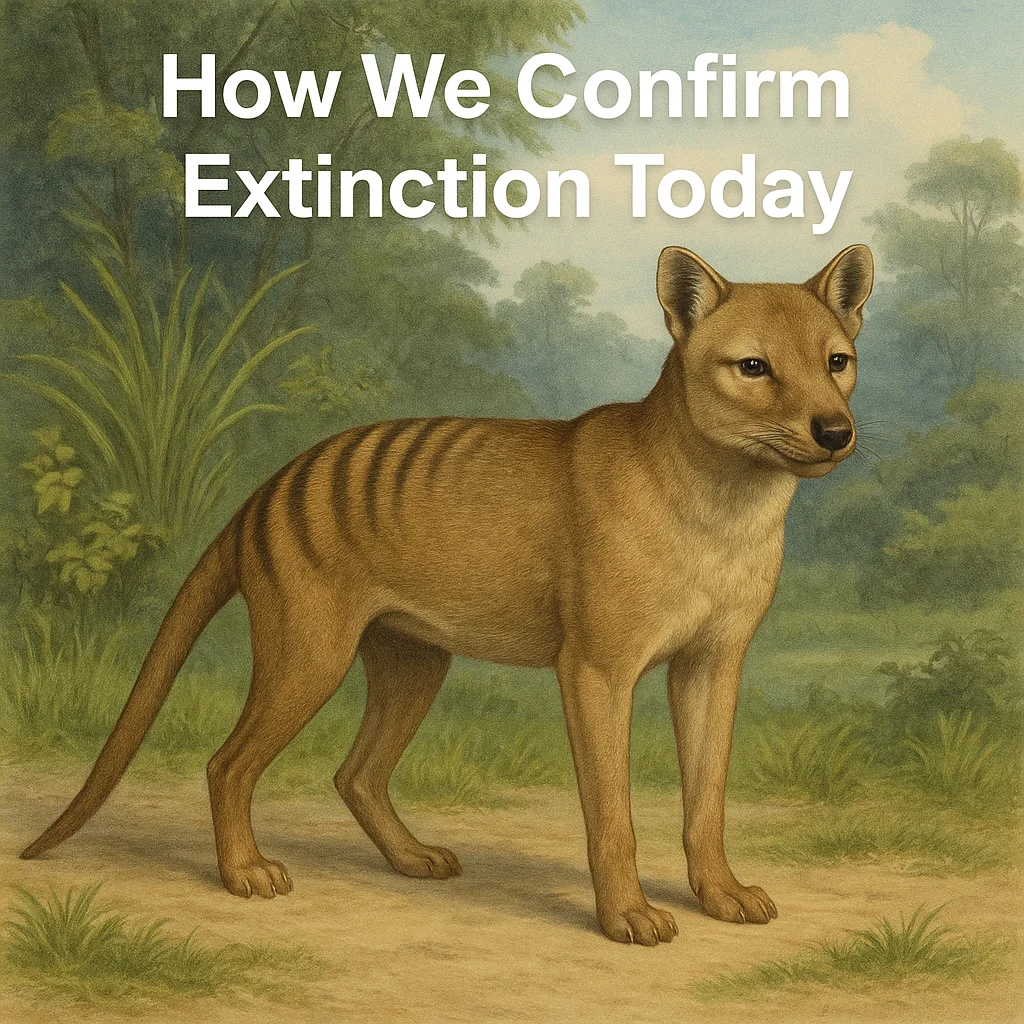
These creatures were often distinctive due to their appearance, behavior, or ecological role. For example, some birds might have had unique calls, while certain mammals could have been exceptional hunters or social beings. Understanding their closest living relatives today provides glimpses into what these animals might have been like.
This introduction aims to guide you through a journey of discovery, covering where this creature lived, how it lived, and the factors leading to its disappearance. By the end, you'll gain insight into the intricate process of confirming extinction and the lessons learned for conservation.
🧭 Where It Lived
The geographic range of an extinct animal plays a crucial role in understanding its vulnerability. Many of these creatures were found on isolated islands or specific regions, making them susceptible to changes in their environment. Island species, in particular, often faced greater risks due to their limited habitat.
For instance, some animals inhabited lush forests, relying on the dense vegetation for shelter and food. Others may have thrived in grasslands, utilizing the open space to hunt or graze. The dependency on such habitats often meant that any alteration or destruction of these areas could severely impact the species.
The risk of extinction increases for animals with highly localized ranges. Once a critical part of their environment is lost or degraded, it can lead to dire consequences for those dependent on specialized habitats. Understanding these dynamics is essential in studying extinction patterns.
🌿 Habitat and Daily Life
The climate and environment where an animal lived vastly influenced its daily life and survival strategies. Some species might have adapted to tropical environments with steady temperatures and regular rainfall, while others were suited for seasonal changes in temperate regions.
The diet of these creatures varied widely, from herbivorous animals grazing on plants to carnivorous predators hunting for prey. Their feeding habits were integral to their survival and often tied closely to the habitat in which they resided.
Reproduction is another key aspect of understanding an extinct species' life. Breeding seasons, methods of offspring care, and social structures all played roles in their lifecycle. How they nested or raised their young had significant effects on their population dynamics.
🧬 What Made It Unique
Distinct physical traits are often the first thing that captures the attention of researchers and enthusiasts alike. Whether it's a bird with vibrant plumage or a mammal with distinctive markings, these features often have specific purposes like camouflage or attracting mates.
Special abilities also defined many extinct species. Some animals were crucial for their ecological roles, like pollinators or seed dispersers, which contributed to the health of their ecosystems. These roles sometimes made them irreplaceable within their environments.
The cultural and historical significance of these animals is worth noting too. Many had interactions with human societies, from being subjects in folklore to having economic or spiritual value, which sometimes influenced their survival.
⏳ When It Disappeared
Pinpointing the exact time a species became extinct is often a challenging task. Researchers rely on last confirmed records and reliable sightings to piece together a timeline. These records are crucial in understanding when a species was last observed.
Uncertainty often surrounds this process due to missing records, remote habitats, or even misidentifications. These factors can complicate declaring a species extinct. In some cases, animals become "Extinct in the Wild," meaning they no longer exist in their natural habitats but may survive in captivity.
The declaration of extinction is a meticulous one, where scientists carefully evaluate evidence from various sources before reaching a conclusion. This cautious approach underscores the complexity of confirming the end of a species.
⚠️ Why It Went Extinct
Multiple factors often contribute to the extinction of a species, with habitat loss and fragmentation being a prominent cause. When natural environments are altered or destroyed, it leaves animals without the resources they need to survive.
Overhunting and overfishing have historically posed significant threats to many species. The extraction of animals faster than they can reproduce leads to drastic population declines. Additionally, introduced or invasive species can outcompete native animals, disrupting ecological balances.
Disease and climate shifts have also played roles in extinction. Diseases can spread rapidly, particularly in isolated populations, while climate changes can alter habitats to the point where species can no longer adapt. Pollution further exacerbates these issues, often degrading environments beyond recovery.
🧩 How We Know (Evidence and Records)
The evidence used to confirm extinction comes from a variety of sources. Fossils and subfossils provide insight into the physical characteristics of an animal and its age. Museum specimens serve as tangible evidence, preserving aspects of the species for study.
Field notes, photographs, and oral histories offer additional perspectives, capturing details that other methods might miss. These records are crucial for building a comprehensive understanding of an extinct species.
Genetic analysis has become increasingly important, allowing scientists to verify species identities and explore evolutionary relationships. Some species are particularly hard to confirm due to their elusive nature or the remoteness of their habitats.
🛡️ Could It Have Been Saved
Reflecting on potential conservation actions often reveals what might have prevented extinction. Protecting habitats, implementing hunting limits, and controlling invasive species are key strategies. These actions require timely implementation to be effective.
Unfortunately, conservation efforts often come too late, especially when population declines have already reached critical levels. Trade-offs exist in conservation, where resources and attention might be divided among multiple endangered species.
Some late conservation attempts have been made, such as captive breeding programs, but with varying degrees of success. These initiatives underscore the importance of early detection and action in preventing extinction.
🔁 Are There Any Survivors or Close Relatives Today
Identifying the closest living relatives of an extinct species can provide valuable insights into its characteristics and ecological role. For instance, a bird's nearest kin might share similar nesting habits or feeding preferences.
In some cases, ecological replacements take over roles once filled by extinct creatures. These are species that occupy a similar niche within an ecosystem, helping to maintain ecological balances.
Reintroduction programs can offer hope for restoring extinct species to their natural habitats. However, these efforts require careful planning and consideration of current ecological dynamics.
❓ Common Questions and Misconceptions
One common question is whether a species was hunted to extinction. While overhunting can be a factor, it's often not the sole reason.
People also wonder why animals didn't adapt or move to new areas. Adaptation and migration are complex processes needing significant time and environmental availability.
Could extinct species still be alive somewhere, perhaps undiscovered? While discoveries of presumed extinct species do happen, they're rare.
Many ask what "declared extinct" means. It involves extensive research and evidence to confirm no living individuals remain.
Understanding the difference between endangered and extinct is critical; endangered species still have existing populations, albeit threatened.
Island species face unique vulnerabilities because of their limited distribution and specialized habitat needs.
📌 Summary
- An extinct species was often remarkable, with distinct features and roles
- They inhabited regions and islands, with specific habitat dependencies
- Habitats included forests, grasslands, wetlands, and more
- Diet and behaviors varied from herbivorous to carnivorous
- Unique adaptations like special senses or ecological roles
- Seen alive last in historical contexts, sometimes in ranges
- Main extinction drivers included habitat loss and more
- Evidence comes from fossils, specimens, notes, and genetics
- Saw relatives or replacements filling similar niches
- Conservation taught crucial lessons for future action
- Key takeaway: Extinction is complex and often multi-faceted