🏞️ Climate Change as a Primary Threat
🌍 What It Was
Climate change is one of the most pressing threats to biodiversity today, contributing to the extinction of various animal species around the world. To understand its impact, we examine extinct species and how climate shifts played a role in their disappearance. This examination can provide insights into how climate change affects ecosystems and what we might do to address it.
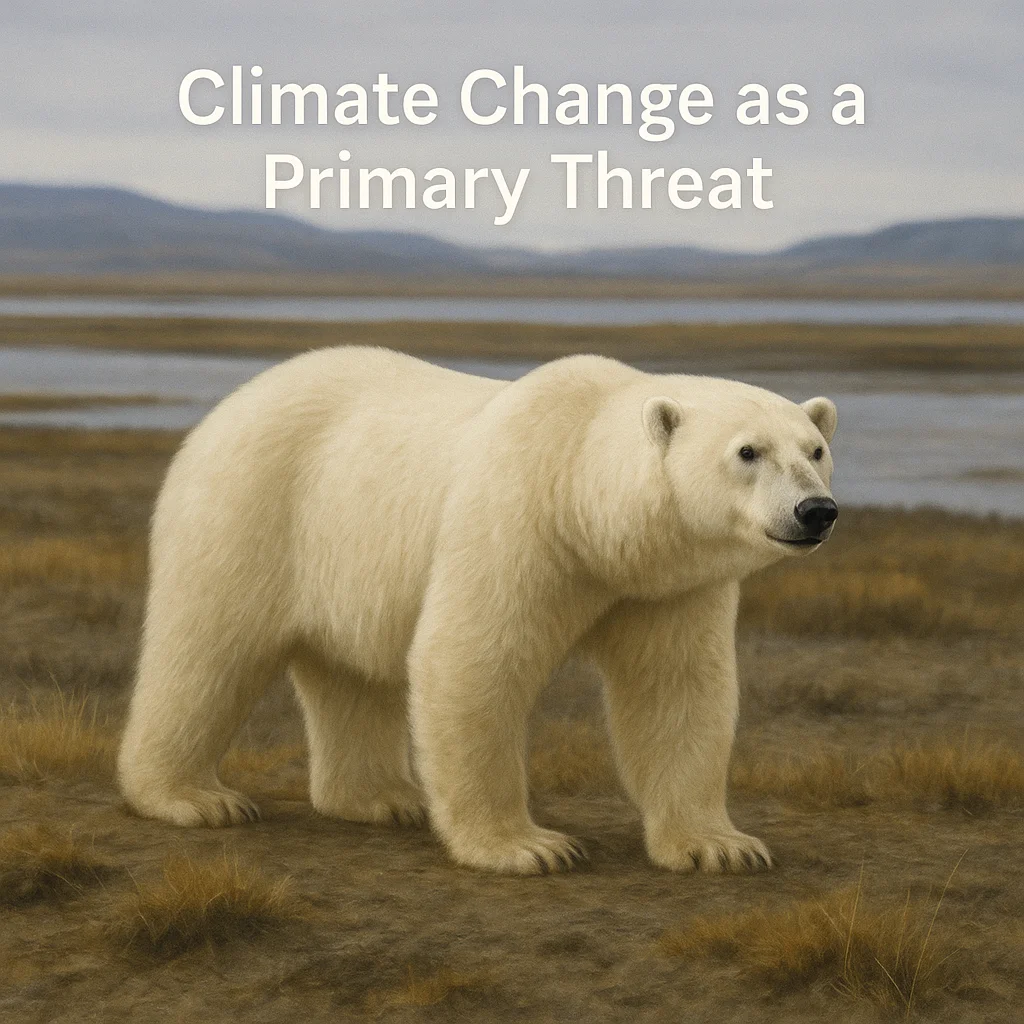
Among the animals affected by climate change were species with specific habitat requirements. Climate changes, such as shifts in temperature and precipitation patterns, had severe impacts on their ability to survive. The introduction of climate as a major factor in extinction studies has increased our understanding of how interconnected and delicate ecosystems truly are.
In this exploration, we will cover various facets such as where climate-impacted species lived, what environments they thrived in, and how climate change contributed to their ultimate decline. We will also consider potential solutions and preventive measures for ongoing and future conservation efforts.
🧭 Where It Lived
Species that were driven to extinction due partially or entirely to climate change often inhabited specific geographic ranges. For example, polar regions, islands, and tropical forests are areas particularly sensitive to climate fluctuations. Animals that occupied these habitats had an increased vulnerability due to their specialized living conditions.
Islands housed unique species that often evolved in isolation, leading to distinct characteristics unshared by species on mainlands. This isolation, while fascinating, also made them more likely to be affected by changes in their microclimates. Limited geographic range meant limited possibilities for migration or adaptation when climate conditions changed.
Similarly, polar regions and tropical forests are tightly linked to climatic stability. The specialized, often endemic species residing there could not survive the rapid changes occurring in their ecosystems, leading to reduced populations and eventual extinction.
🌿 Habitat and Daily Life
The ecosystems that species called home often had specific climate conditions such as steady temperature ranges, predictable rainfall, and distinct seasonal patterns. These factors heavily influenced their daily lives and biological rhythms, driving their diet, reproductive cycles, and social behaviors.
Animals in these habitats had evolved to secure specific food sources, like plants or smaller animals, depending directly on their environmental stability. Any fluctuation in climate could destabilize the entire food web, making survival more challenging for top predators and herbivores alike.
Reproduction and life cycles were also tied to the environment. Many species timed their breeding seasons to correlate with resource availability. Disruptions in climate patterns could lead to mismatches between the hatching of young and the presence of food, undermining reproductive success over time.
🧬 What Made It Unique
Extinct species often possessed unique physical traits and adaptations optimized for their environmental conditions. These could include specialized feeding mechanisms, unique mating calls, or distinctive coloration patterns that facilitated camouflaging or communication.
Some species had highly developed senses or behaviors perfectly aligned with their ecological role. This could be symbiotic relationships with other species or important roles like seed dispersal, which were integrated into the ecological balance. However, these specialized adaptations also meant that even slight environmental changes could have disproportionally large impacts.
Cultural or historical significance often played a role, as humans would incorporate these animals into mythology, art, and societal narratives. Unfortunately, this human-animal relationship sometimes led to exploitation rather than conservation, particularly when cultural practices aligned with hunting or habitat modification.
⏳ When It Disappeared
The timeline of extinction for many climate-impacted species often involves a complex history of declining populations and diminishing habitat quality. Usually, last confirmed records were compiled from scientific observations, museum collections, or historical documents.
In some cases, species classified as extinct might still survive in unobserved or inaccessible areas for years, creating uncertainty in confirmation. The designation of "Extinct in the Wild" is used when a species no longer exists in its natural habitat but may survive in captivity or controlled environments.
The process of declaring a species extinct is meticulous and requires thorough verification. This involves reassessing sightings and collecting data over time to ensure that no surviving populations exist in the studied regions.
⚠️ Why It Went Extinct
The extinction of species affected by climate change involves several interrelated drivers. Habitat loss and fragmentation result when natural areas are developed or altered, reducing the space available for wildlife. Climate change exacerbates these effects by altering the habitats that remain.
In addition, shifts in climate can lead to extreme weather events, such as droughts or hurricanes, that further stress populations by altering or destroying their environments. Long-term climate changes can result in rising temperatures or sea levels that impact species differently, depending on their adaptability.
Pollution and climate change often coincide, with pollutants sometimes amplifying the effects of climate alterations. The multi-causal nature of these extinctions shows the complexity of ecosystems, where a combination of natural and human influences results in inadequate conditions for survival.
🧩 How We Know (Evidence and Records)
The evidence of climate change as a driver of extinctions is found in diverse scientific records, including fossils, subfossils, and genetic studies. These materials can reveal climatic conditions from when the species were alive, showing changes over time.
Researchers also rely on museum specimens, field notes, and photographs to piece together species' histories. Genetics is a powerful tool for understanding lineage and how past populations might have responded to climate alterations.
Certain species are harder to track due to their rarity or elusive habits. This difficulty in documenting them adds to the complexity of understanding their extinction path and highlights the importance of robust scientific methodologies in conservation.
🛡️ Could It Have Been Saved
A variety of conservation actions may have altered the fate of species threatened by climate change. Establishing protected areas and enforcing hunting limits could have helped sustain populations by reducing habitat loss and overexploitation.
Controlling invasive species that compete with or prey on native populations is another important strategy. In some instances, captive breeding or reintroduction programs could provide a last-ditch effort to sustain species until their natural environments stabilized or were restored.
Unfortunately, action often comes too late. While these measures hold significant promise, their implementation must occur earlier in the process, targeting threats before populations decline too far for recovery.
🔁 Are There Any Survivors or Close Relatives Today
For many extinct species, closely related animals still exist. These relatives might share certain ecological roles or adaptations, providing lessons on how they coped differently with environmental pressures.
In some ecosystems, "ecological replacements" exist. These are species that occupy similar niches as those that went extinct, helping to maintain certain ecological functions despite the original species' absence.
In rare instances, efforts for reintroduction, often in monitored environments, are underway to restore populations near their native ranges. These efforts demonstrate a commitment to preserving genetic diversity and ecological balance.
❓ Common Questions and Misconceptions
Was it hunted to extinction? While hunting often plays a role, for climate-impacted species, environmental change is a primary factor.
Why didn’t it adapt or move? Many species lack the genetic variability needed for rapid adaptation, and barriers such as oceans can prevent migration.
Could it still be alive somewhere? Possibly, but unconfirmed sightings are more rare with modern survey techniques.
What does 'declared extinct' actually mean? It generally means after thorough searching, no living individuals have been found.
What is the difference between endangered and extinct? Endangered means the species is still present but has a high risk of extinction.
Why are island species so vulnerable? Their isolation often leads to limited genetic diversity and specialized adaptations, making them sensitive to change.
Is climate change affecting today’s species? Yes, current climate changes are affecting numerous ecosystems and could cause further extinctions.
What role does research play? Research helps us understand the past extinctions to develop better conservation strategies for existing species.
📌 Summary
- Climate change poses a major threat to biodiversity.
- Species driven extinct by climate change often had narrow geographic ranges.
- Habitats like islands and polar regions are particularly vulnerable.
- These species had specific diets and behaviors tied to their stable environments.
- Unique adaptations became liabilities as climates shifted.
- Many extinctions occurred during periods of significant climate change.
- Extinctions were often multi-causal, involving habitat loss and pollution.
- Evidence comes from fossils, specimens, and genetic studies.
- Close relatives of extinct species often survive today.
- Conservation strategies must address multiple threats to be effective.
- An important lesson: early intervention is crucial for conservation success.
- Climate change continues to pose risks to current biodiversity.