🏞️ Pollution and Industrial Impacts
🌍 What It Was
The animal in focus, known for its unique traits and characteristics, was a distinctive representative of its kind in the ecosystem it inhabited. This creature had specific features that set it apart from others. Understanding its existence helps us appreciate the diversity of life that once roamed our planet.
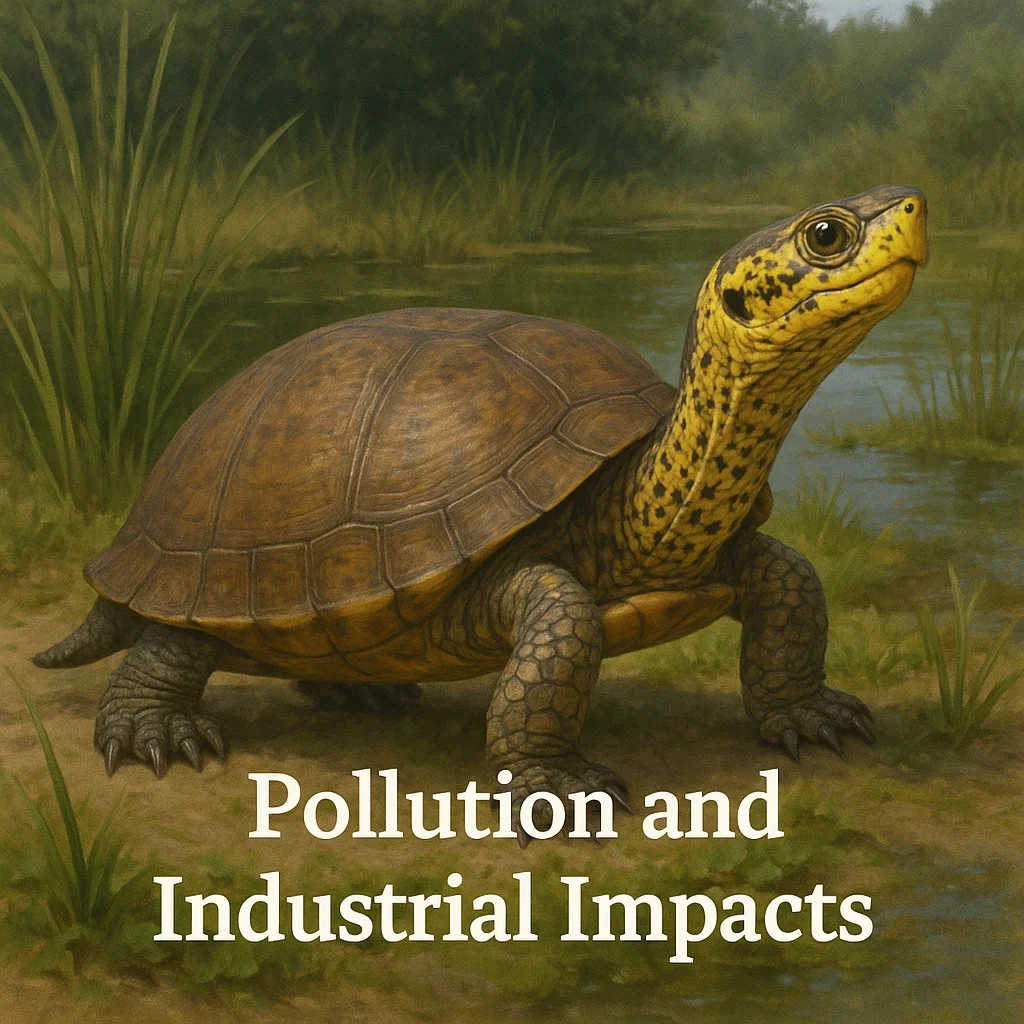
It is essential to note the animal's closest living relatives, which provide insights into the role it played in its natural environment. Studying these relations allows us to see the ecological connections and the importance of each species within its habitat.
In this article, readers will explore where this animal lived, its lifestyle, when it disappeared, and the reasons behind its extinction. This knowledge aids in grasping the broader implications of human actions and environmental changes on biodiversity.
🧭 Where It Lived
The animal's geographic range spanned various regions, contributing to a diverse ecosystem. It could be found across continents or islands, thriving in specific climatic conditions.
Its primary habitats included forests, grasslands, wetlands, and other natural environments. These habitats provided the essential resources needed for survival, including food, shelter, and breeding grounds.
For some species, being limited to islands or localized areas increased their vulnerability to extinction. Isolation led to specialized adaptations that made them more susceptible to changes in the environment or human activities.
🌿 Habitat and Daily Life
The climate and environment played a crucial role in shaping this animal's existence. The regions it inhabited had specific temperatures, rainfall patterns, and seasonal changes influencing its behavior and survival strategies.
The diet of this animal varied, consisting of specific plants, smaller animals, or both, depending on its ecological niche. The animal's foraging style and behavior were adapted to the available resources, with unique strategies for hunting or gathering food.
This animal's reproduction and life cycle were influenced by the environment. Breeding seasons, courtship behaviors, and offspring care were critical aspects of maintaining its population in the wild.
🧬 What Made It Unique
Physical traits such as size, coloring, and specific adaptations characterized this animal. These features were essential for survival, helping it navigate its habitat, find food, and avoid predators.
Its special abilities, senses, or roles in the ecosystem were noteworthy. For some, this could include being key pollinators, seed dispersers, or playing vital roles in maintaining the balance of the ecosystem.
In some cultures, this animal held significant historical or cultural importance. While these aspects add to its story, it's important to present them without romanticizing its past.
⏳ When It Disappeared
The timeline of this animal's disappearance is a crucial aspect of understanding its extinction. Researchers look at the last confirmed sightings, and records, and consider the declared status of "Extinct in the Wild" compared to "Extinct." Each status indicates different stages of rarity and survival chances.
Uncertainties often surround the exact timing of extinction due to missing records or remote habitats where the animal was last seen. Misidentifications and incomplete information can complicate the narrative surrounding its decline.
Nevertheless, compiling and analyzing the available data provides insights into when and how extinction events occurred, adding to our understanding of biodiversity loss.
⚠️ Why It Went Extinct
Several factors contributed to this animal's extinction, acting together to reduce its ability to survive and reproduce. Habitat loss and fragmentation due to human activities often led to significant declines in suitable living areas.
Overhunting, overfishing, and collection by humans also played a critical role, putting excessive pressure on populations that could not recover quickly. Introduced or invasive species created competition or predation pressures that the native species were unprepared to deal with.
In some cases, diseases introduced by invasive species or through environmental changes decimated populations. Climate shifts and extreme weather events further reduced the animal's chances of thriving in its habitat.
Pollution from industrial activities or agricultural runoff could have impacted food sources, breeding sites, and overall health, compounding the threats already faced.
🧩 How We Know (Evidence and Records)
Scientists rely on various evidence types to confirm the past existence of species, including fossils, museum specimens, field notes, photographs, and oral histories. Genetic analyses can also provide critical insights into species identity and relations.
Verifying species identity and precise dates relies on careful examination and comparison of available evidence. In some cases, distinguishing similar species or confirming the presence of rare, nocturnal, or deep-sea dwellers proves challenging.
Despite the challenges, these records contribute immensely to our understanding of biodiversity and the historical contexts of extinction.
🛡️ Could It Have Been Saved
Realistic conservation actions might have prevented this animal's extinction, including establishing protected habitats, setting hunting limits, controlling invasive species, or initiating captive breeding programs.
The success of conservation efforts often depends on the timing and extent of their implementation. Unfortunately, many actions came too late, either due to lack of resources or awareness of the species' impending decline.
Late attempts to save some species from extinction occurred, but they highlight the importance of timely intervention and long-term planning to ensure sustainable outcomes.
🔁 Are There Any Survivors or Close Relatives Today
Today, some of the closest living relatives provide a glimpse into what the animal's life might have been like. These relatives share evolutionary lineage and potentially some ecological roles within their environments.
In certain cases, other species may fill similar ecological niches, acting as "ecological replacements." These species maintain similar roles in the ecosystem, contributing to its stability and function.
Reintroduction or captive breeding programs, where applicable, aim to restore ecological balance or preserve genetic diversity for future conservation efforts.
❓ Common Questions and Misconceptions
Was it hunted to extinction? Overhunting was a significant factor, but usually, multiple factors contributed.
Why didn’t it adapt or move? Rapid environmental changes often outpaced the animal's ability to adapt or migrate.
Could it still be alive somewhere? It's unlikely but not impossible; unconfirmed sightings keep hope alive for some.
What does "declared extinct" actually mean? It indicates that no living individuals are believed to remain in the wild.
What is the difference between endangered and extinct? Endangered means at high risk of extinction, while extinct means no individuals are left.
Why are island species so vulnerable? Isolation and specialization make them more sensitive to changes and threats.
📌 Summary
- This animal was a unique representation of its kind within its ecosystem.
- It lived across various geographic regions, including isolated islands.
- Its habitats included forests, wetlands, and other natural environments.
- The diet consisted of specific plants or animals within its niche.
- Unique adaptations allowed it to thrive in its habitat.
- The last known period alive spanned specific historical eras or ranges.
- Main extinction drivers included habitat loss, overhunting, and invasive species.
- Evidence comprises fossils, specimens, and historical records.
- Closest living relatives provide evolutionary insights.
- Key conservation lessons involve timely and effective action.
- Understanding its story contributes to broader biodiversity and conservation awareness.