🏞️ How Museums Recorded Vanishing Species
🌍 What It Was
Throughout history, a variety of unique animals have roamed the Earth, some of which are now lost to extinction. Museums have played a crucial role in recording these vanished species, allowing us to understand their characteristics and historical presence. In this article, we'll explore an example of how these institutions documented a species that no longer exists.
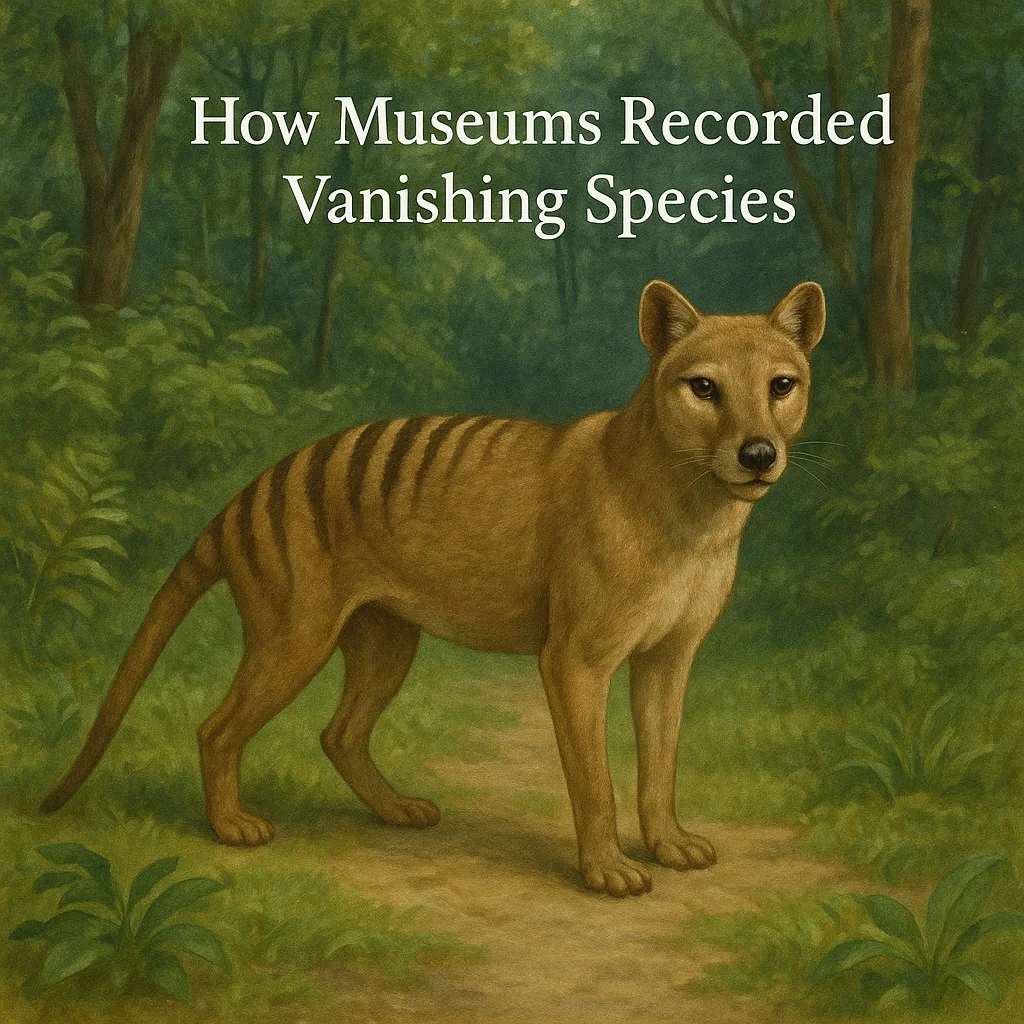
The particular species we'll focus on was notable for its distinctive features and ecological roles. Despite its vital contributions to its ecosystem, it eventually disappeared due to a combination of natural and human-driven factors.
By examining what made this species unique, where it once thrived, and how it eventually vanished, we aim to provide insights into the ongoing challenges of conservation and the importance of historical records.
🧭 Where It Lived
The species we are examining was native to a limited geographical range which included select regions and islands. This restricted territorial range made it especially vulnerable to changes in its environment.
It primarily inhabited dense forests and grasslands, which provided the necessary resources for its survival, such as food, shelter, and breeding grounds. The species relied on diverse types of ecosystems, showcasing its adaptability within those environments.
Being confined to specific islands and territories increased its risk of extinction. Isolated populations often have limited genetic diversity, making them susceptible to external pressures such as habitat destruction and introduced predators.
🌿 Habitat and Daily Life
The climate in its native range was generally temperate, with mild seasons and moderate rainfall, creating a lush environment. This climate supported a plethora of plant and animal life, making it a rich ecological setting.
Its diet consisted of various plant materials, small animals, or insects, depending on the exact species in question. The species demonstrated remarkable foraging skills and played a crucial role in seed dispersal, benefiting its ecosystem's flora diversity.
Reproduction involved a breeding season aligned with environmental conditions, ensuring offspring were born during the time of year when resources were abundant. Social structures varied among species, with some leading solitary lives while others formed small groups.
🧬 What Made It Unique
Physical traits such as vivid coloring, specialized limbs, or adaptive features distinguished the species from its relatives. These adaptations were often essential for survival, aiding in tasks like foraging, predator evasion, or climate resilience.
The species may have played a unique role in its ecological community, whether by aiding in plant pollination or influencing the population dynamics of other organisms. Such roles highlight the complexity of natural ecosystems and the intricate connections among species.
Culturally, some species had significant importance to indigenous and local people, either through mythological connections or practical uses. This historical interaction further enriches the understanding of the species.
⏳ When It Disappeared
The timeline of the species' extinction involves a series of confirmed records and sightings, each contributing to our understanding of its decline. Initial observations might report decreasing populations, followed by sporadic sightings.
Uncertainty often clouds the exact date of extinction, as remote habitats and misidentifications can complicate verification efforts. In some cases, a species is declared "Extinct in the Wild" before being considered fully extinct, highlighting the nuances of such a classification.
Records and anecdotal evidence provide hints toward the final years of the species, offering precious insights that underscore the ongoing need for accurate data collection and preservation in museums.
⚠️ Why It Went Extinct
Several factors contributed to the extinction, often working in combination rather than isolation. Habitat loss and fragmentation were major drivers, as forests and grasslands made way for agriculture or urban development, leading to loss of habitat.
Overexploitation through hunting or collection for trade diminished their numbers directly. Even small populations can suffer drastically from such pressures, reducing reproductive capacity and genetic diversity.
Introduced species brought about increased competition or predation, overwhelming native populations unaccustomed to these new threats. In some cases, invasive species introduced diseases that native species lacked immunity to combat.
🧩 How We Know (Evidence and Records)
Evidence of the species' existence and eventual extinction comes from fossils and subfossils, which provide physical proof of its characteristics and habitat. Museum specimens serve as invaluable references for research and education.
Field notes and photographs from early explorers and naturalists offer critical accounts of their behavior and interactions with the environment. Meanwhile, oral histories provide a cultural perspective, preserving indigenous knowledge about the species.
Genetic analysis has become an essential tool in verifying species identity, helping distinguish between closely related species. This scientific discipline continues to evolve, offering deeper insights into the history and biology of extinct and extant species.
🛡️ Could It Have Been Saved
Conservation efforts, if implemented in time, might have bolstered the species' survival chances. Protected habitats, regulated hunting, and control of invasive species could have maintained healthier populations.
However, action often came too late, as declining numbers and already low genetic diversity posed significant hurdles. Conservation strategies require careful planning and implementation to be successful.
In some instances, there were late attempts to conserve the species, though limited success was achieved. Such efforts underscore the importance of proactive measures and public awareness in preventing future extinctions.
🔁 Are There Any Survivors or Close Relatives Today
Closest living relatives share similar traits but may no longer fill the same ecological niches. In some cases, these relatives thrive in different environments, showcasing the adaptability of some species groups.
"Ecological replacements" may occupy similar roles within ecosystems, preventing the loss of certain ecosystem functions. This highlights resilience in ecosystems, although the complete ecological impact of extinction is often difficult to assess.
In rare cases, reintroduction or captive breeding programs exist, aiming to re-establish populations in native ranges. These programs face their challenges but exemplify human commitment to preserving biodiversity.
❓ Common Questions and Misconceptions
Was it hunted to extinction?
Not solely; while overhunting contributed, multiple factors were involved.
Why didn’t it adapt or move?
Its specialized nature and restricted range limited its ability to adapt or seek new habitats.
Could it still be alive somewhere?
Though unlikely, undiscovered pockets might exist; however, extensive searches have turned up empty.
What does "declared extinct" actually mean?
It means rigorous searches have not revealed any remaining individuals, and the species no longer exists.
What is the difference between endangered and extinct?
Endangered species are at high risk of extinction, while extinct species no longer exist.
Why are island species so vulnerable?
Isolated environments make island species more susceptible to changes and external threats.
📌 Summary
- The discussed species had unique traits and roles in its ecosystem.
- It lived in specific geographical regions and islands.
- Its primary habitat comprised dense forests and grasslands.
- Its diet and behavior varied by species, playing a role in seed dispersal.
- Notable adaptations included specialized limbs or distinctive coloring.
- Last confirmed in the early to mid-1900s, extinction declared thereafter.
- Extinction drivers were habitat loss, overexploitation, and invasive species.
- Evidence includes fossils, museum specimens, and genetic analyses.
- Closest living relatives exist, but ecological roles may differ.
- Lesson: proactive conservation is crucial to prevent future losses.
- Takeaway: museums and conservation records are vital resources for understanding extinctions.