🏞️ Island Ecosystems Under Pressure
🌍 What It Was
Island ecosystems are unique habitats that are home to distinctive plant and animal species often found nowhere else on Earth. These isolated environments have led to the evolution of species that are perfectly adapted to their specific ecological niches. Unfortunately, the same factors that make island ecosystems special also make them vulnerable to pressures from both natural and human-induced changes.
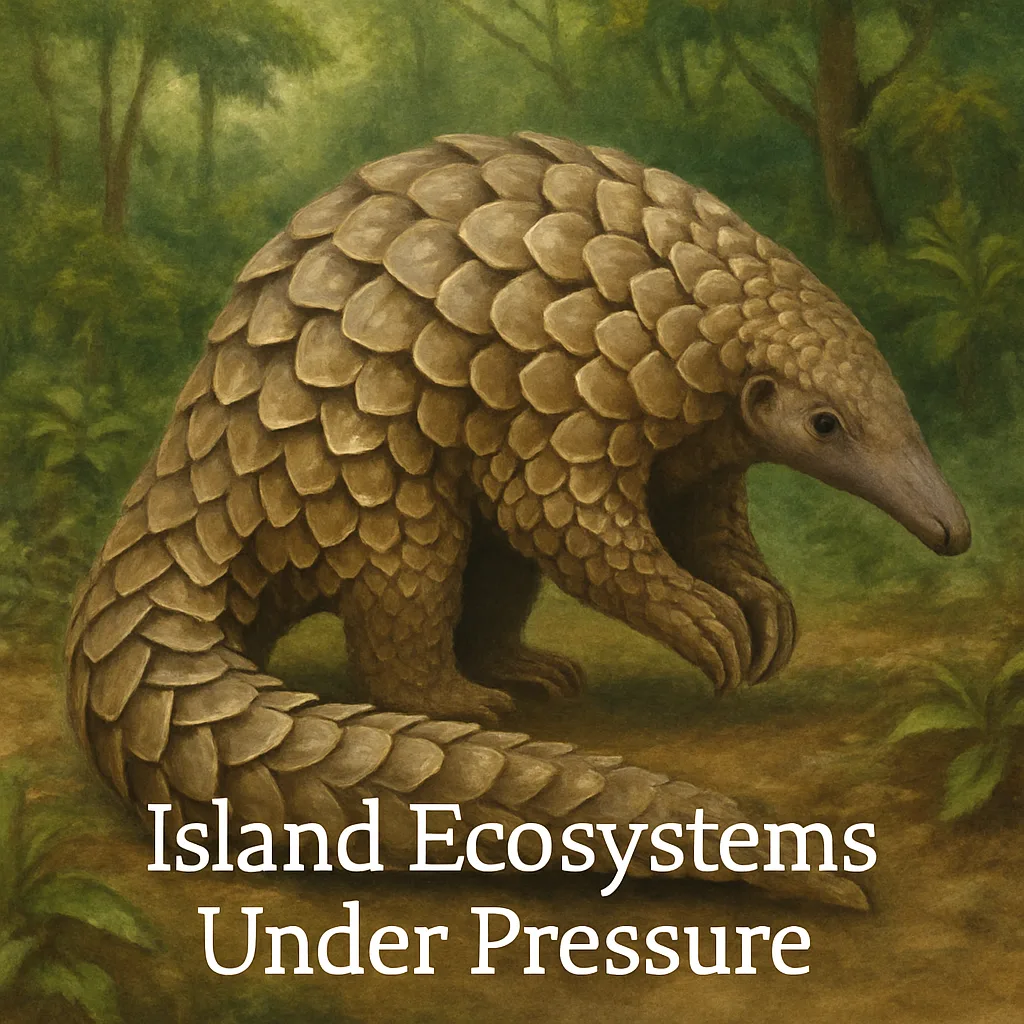
Many island species, like the dodo bird of Mauritius or the moa of New Zealand, are now extinct. What these animals shared was their role as key species in their respective ecosystems, often with few predators and a lack of competition for resources. Readers will learn about the unique aspects of these island ecosystems, explore the reasons these species disappeared, and understand the implications for conservation today.
This article will focus on where these creatures lived, how they interacted with their environment, and the causes that led to their extinction. It aims to shed light on the intricate web of island life and the delicate balance needed for survival in isolated habitats.
🧭 Where It Lived
Island species typically inhabit geographical areas limited to individual islands or archipelagos. This limited range can include a variety of ecosystems such as dense forests, rocky shorelines, sandy beaches, and highland areas. The dodo, for instance, was native to the island of Mauritius, an isolated paradise in the Indian Ocean.
The lush forests of these islands provided shelter and food resources, crucial for survival. However, the small size and isolation of islands increased the risks of extinction since species had limited means to escape hazards or adapt to rapid changes. The highland regions often served as refuges for species needing cooler climates or retreating from lower elevations due to human encroachment.
Islands like Hawaii and the Galápagos have been home to species found nowhere else due to their isolation. These ecosystems make island fauna highly susceptible to introduced predators and habitat destruction. The geographic limit further exacerbates the impact of these changes, putting unique species at significant risk.
🌿 Habitat and Daily Life
The climate on islands can vary significantly depending on location, ranging from tropical to temperate. Many islands experience moderate temperatures with distinct wet and dry seasons. This climatic diversity supports a wide array of life forms, from the lush greenery that feeds large herbivores to the coastal reefs teeming with marine life.
Island species often have specialized diets, relying on the available flora or any endemic prey. The absence of large predators enabled some birds to evolve into ground feeders, like the flightless dodo, which foraged for fruits fallen to the forest floor.
Reproductive strategies on islands can vary widely. Some species, like the extinct moa, laid large eggs with few offspring while investing heavily in their survival. Cooperative social structures and symbiotic relationships were common, with species often depending on each other for seed dispersal or as part of the food web.
🧬 What Made It Unique
Many island species evolved unique physical traits that suited their environment. The dodo, for example, was large and flightless, indicative of a lack of natural predators on Mauritius. Bright coloration or peculiar body shapes in island species often resulted from evolutionary pressures unique to isolated habitats.
Special abilities like long-distance seed dispersal by birds or the creation of reef structures by specialized marine species played critical ecological roles. These adaptations enabled island species to exploit ecological niches, often supporting wider ecological communities.
Some island species also held cultural significance for indigenous peoples or were the focus of exploration narratives by early settlers. Their unique characteristics often sparked curiosity, becoming symbols of the lost diversity of island environments.
⏳ When It Disappeared
The timeline of extinction for island species varies, with many disappearing in the last few centuries. The dodo's extinction was noted in the late 17th century, though exact details remain debated. Last reliable sightings often predated comprehensive records, and the declaration of extinction typically followed years without confirmed evidence.
Despite missing records and potential misidentifications, extinction is generally declared when exhaustive searches fail to find any individuals. For some species, their extinction in the wild meant they survived only in captivity, either temporarily or until breeding programs ceased.
Uncertainties persist, especially in remote or densely vegetated areas where sightings could go unrecorded. The island ecosystems' largely undocumented history contributes to the ongoing debate about the precise timing of many extinctions.
⚠️ Why It Went Extinct
Island species often went extinct due to a combination of factors. Habitat loss, largely from deforestation and conversion to agriculture, significantly reduced available living space and resources. Fragmentation divided populations, making them more susceptible to stochastic events.
Overhunting or over-harvesting contributed to declines, as many island species were not accustomed to predation by humans or other introduced species. Dodos, for example, were hunted for food shortly after Mauritius was settled.
Introduced species like rats, cats, and pigs often decimated native populations by preying on eggs or young and outcompeting indigenous fauna for food. Diseases introduced by these invasive species also posed significant threats.
Climate shifts, such as increased storm intensity or altered rainfall patterns, affected island habitats by changing the availability of food and shelter. Luke-wise, pollution from human activities caused further degradation of the environments critical to island species' survival.
🧩 How We Know (Evidence and Records)
The evidence for extinct island species comes from various sources. Fossils and subfossils provide physical proof of past existence, while museum specimens offer a tangible connection to the lost species. Field notes and photographs serve as historical records aiding scientific investigation.
Researchers use genetic studies to verify the identity of specimens and establish relationships with living relatives. In some cases, oral histories from indigenous peoples provide valuable insights into the ecosystems before extensive human impact.
Verification is challenging for species that were nocturnal or lived in remote parts of islands, often resulting in incomplete records. Detailed investigations and advances in technology continue to improve our understanding of the history and ecology of these lost species.
🛡️ Could It Have Been Saved
Realistic conservation actions might have included establishing protected areas to conserve habitats and instituting hunting limits to reduce pressure on vulnerable populations. Controlling invasive species and implementing biosecurity measures could help mitigate threats to island ecosystems.
Late conservation attempts, like captive breeding programs, often came too late to prevent extinction. Trade-offs existed, such as balancing conservation efforts with development goals or limited availability of resources for extensive protective measures.
These efforts underline the importance of timely action and informed management to address the complex issues threatening island biodiversity. Nonetheless, effective conservation strategies today can help preserve remaining species with timely and comprehensive intervention.
🔁 Are There Any Survivors or Close Relatives Today
Surviving relatives of extinct island species include other birds in the pigeon family related to the dodo, such as the Nicobar pigeon. These relatives share certain physical traits and behaviors reminiscent of their extinct kin.
Ecological replacements often fill roles left vacant by extinct species, sometimes with different species evolving to perform similar ecological functions. For instance, other birds or animals that can disperse large seeds now play roles once held by extinct island fauna.
Where attempts exist to reintroduce species or establish captive populations, these initiatives focus on restoring ecological balance and preserving genetic diversity, informed by lessons learned from past extinctions.
❓ Common Questions and Misconceptions
Was it hunted to extinction? Many island species were indeed hunted by humans, contributing significantly to their decline.
Why didn’t it adapt or move? Island species often evolve in isolation, limiting their ability to adapt quickly or migrate.
Could it still be alive somewhere? While possible, exhaustive searches and lack of evidence usually support extinction declarations.
What does 'declared extinct' actually mean? It indicates extensive searches have failed to locate any surviving individuals.
What is the difference between endangered and extinct? Endangered species are at risk of extinction but still have living members; extinct species have no surviving individuals.
Why are island species so vulnerable? Isolation and specialization make island species less adaptable to changes, increasing vulnerability to extinction.
How do scientists determine extinction? Through comprehensive searches, habitat assessment, and lack of recent credible sightings.
Are there efforts to revive extinct species? Some initiatives explore de-extinction, but ethical, ecological, and technical challenges remain significant.
What can people do to help? Supporting conservation efforts, advocating for legislation, and being mindful of environmental impacts can aid in preventing further extinctions.
Why do introductions of new species cause harm? New species often become predators or competitors, disrupting existing ecological balances.
How does climate change affect islands? It alters temperature and precipitation patterns, impacting habitats and food resources.
📌 Summary
- Islands are home to unique species with limited ranges.
- The geographic restriction increases risk of extinction.
- Habitats like forests and reefs support diverse species.
- Diets are often specialized to available resources.
- Unique adaptations result from evolution in isolation.
- Many species disappeared in the last 300 years.
- Main extinction causes include habitat loss and invasive species.
- Evidence from fossils and museum specimens aids study.
- Close relatives share evolutionary links with extinct species.
- Conservation must prioritize timely, preventive action.
- Island ecosystems offer lessons for biodiversity preservation.
- Remembering these losses underscores conservation importance.