🏞️ Invasive Species Arrive with Ships
🌍 What It Was
Invasive species are organisms that enter ecosystems beyond their native range, often causing significant impacts on the environment, native species, and human activities. These species can include plants, animals, fungi, and other microorganisms. One common way invasive species spread is through global ship travel, which inadvertently transports them across oceans and continents.
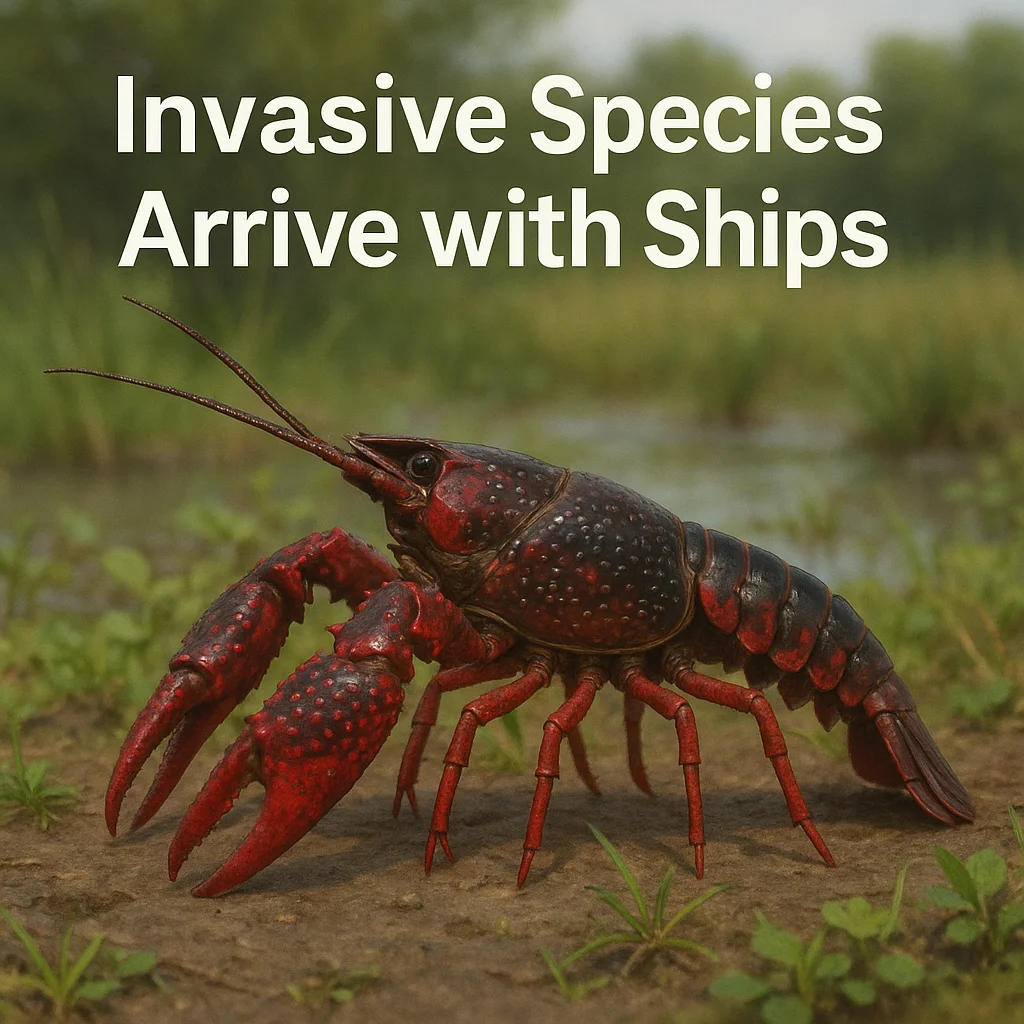
Often these species do not have natural predators in the new environments, allowing them to thrive and outcompete native organisms. Some invasive species can drastically alter habitats, leading to declines or extinctions of native species. Understanding how they arrive and spread is crucial in managing and preventing their impacts on native ecosystems.
Throughout this article, you will learn about the pathways invasive species take, the environments they inhabit, the impacts they have, and why certain regions are more vulnerable to invasions.
🧭 Where It Lived
Invasive species can establish themselves across a wide range of geographic areas. They are often found in coastal regions due to proximity to shipping routes. Areas with ports are particularly susceptible, as ships frequently bring in non-native species through ballast water, attached to hulls, or hidden away in cargo.
These species have been known to thrive in a variety of habitats, including forests, wetlands, grasslands, and even urban areas. Their adaptability to different environments makes them formidable opponents to local species. Wetland areas, in particular, with their rich biodiversity, are especially vulnerable to these invasions.
An isolated island or uniquely biodiverse region is often at greater risk of invasions. Due to their isolation, island species have evolved without certain predators and competitors, making them less able to cope with new intruders.
🌿 Habitat and Daily Life
Invasive species often adapt quickly to the local climate and environmental conditions. They may thrive in both temperate and tropical zones, depending on their innate traits and adaptability. These species can establish populations in existing ecological niches, exploiting resources such as food, water, and shelter.
The diet of invasive species varies greatly; some are herbivorous, feeding on local vegetation, while others are predatory, preying on native animals. Their foraging habits may alter existing food webs, often leading to reduced populations of native species.
Reproductive rates for many invasive species are high, which helps them establish quickly in a new area. Some breed year-round, while others have specific breeding seasons. This fast reproduction often means they can quickly outnumber native species, increasing their ecological footprint.
🧬 What Made It Unique
Many invasive species have unique physical traits or behaviors that give them an advantage in new territories. For example, some plants can produce large quantities of seeds that disperse easily, while some animals may have high reproduction rates or behaviors that help them evade local predators.
Some invasive species play significant roles in their native ecosystems, but when transplanted, these roles can disrupt the balance of the new environment. For example, certain invasive plants can alter soil chemistry, making it difficult for native plants to thrive.
Human and cultural interactions with invasive species vary widely. In some cases, they may become part of local folklore or myths, though their impact is rarely beneficial for indigenous cultures reliant on native ecosystems for livelihood.
⏳ When It Disappeared
Invasive species do not "disappear" in the same way extinct animals do. Instead, they may persist in an ecosystem indefinitely unless managed or eradicated through human intervention. Some become naturalized, integrating themselves into the local ecosystem over time without inflicting severe damage.
Efforts to track the introduction of invasive species often rely on historical records and direct observations. In some cases, new technologies allow researchers to trace the genetic lineage of invasive populations, providing insight into how long they have been present.
Despite these tools, the exact timeline of an invasive species' arrival may be uncertain, particularly in remote habitats or in cases with incomplete records.
⚠️ Why It Went Extinct
The impacts of invasive species often contribute to the decline and, in some cases, extinction of native species. The primary drivers include competition for resources, predation, and the introduction of diseases to which local species have no immunity.
Habitat loss and fragmentation can also make ecosystems more vulnerable to invasions, as these disruptions often weaken native species' resilience, making it easier for invasives to establish dominance.
Climate shifts and extreme events may additionally facilitate the spreading of invasive species by creating conditions that lessen the competitiveness of native species or open new environments for colonization.
🧩 How We Know (Evidence and Records)
Research into invasive species relies on a combination of field studies, historical shipping records, and genetic analyses. Field studies document the presence of non-native species in new areas, while genetic analyses can confirm their origin and how they might have adapted to new environments.
Museum specimens and photographs can serve as evidence for the historical presence of invasive species, helping scientists understand how and when these organisms first established themselves. Oral histories can also provide context, particularly in regions where scientific records are sparse.
Despite advancements in technology, confirming the presence and impact of an invasive species can be challenging. Factors such as remote habitats, nocturnal activity patterns, or cryptic nature make them difficult to detect.
🛡️ Could It Have Been Saved
Preventing invasive species from establishing can be challenging, but proactive measures are key. These measures include routine inspections of ships, rigorous quarantines for cargo, and public education campaigns about the risks of transporting non-native species.
Once invasive species are established, management strategies often include physical removal, chemical treatments, and biological controls, though these approaches can have mixed success and potential ecological trade-offs.
Efforts to halt the spread sometimes come too late, as the rapid adaptability of invasive species often outpaces human responses. However, learning from past invasions can improve future prevention and management strategies.
🔁 Are There Any Survivors or Close Relatives Today
Some invasive species have relatives or similar organisms in their native ranges that fulfill comparable ecological roles. These relatives may offer insight into the original function of the species within its home environment.
In certain cases, native species or other introduced species may fill ecological voids left by extinct natives that invasive species have replaced. These "ecological replacements" can stabilize ecosystems, though they rarely restore them to their original states.
There are ongoing efforts to reintroduce native species in some habitats affected by invasive species, which might help restore original ecological balances. However, such efforts are complex and require careful management.
❓ Common Questions and Misconceptions
Was it hunted to extinction? Invasive species aren't traditional targets of hunting for extinction; instead, their existence often leads to native species' decline.
Why didn’t it adapt or move? Invasive species are usually highly adaptable. They thrive due to the lack of natural predators and competitors in new environments.
Could it still be alive somewhere? Invasive species often are still present and thriving unless successfully eradicated.
What does 'declared extinct' actually mean? "Declared extinct" means there are no known surviving individuals of a species, usually after exhaustive searches.
What is the difference between endangered and extinct? "Endangered" species are at a high risk of extinction in the near future, while "extinct" means there are no remaining living examples.
Why are island species so vulnerable? Island species often have fewer competitors and predators, making them more susceptible to invasions.
📌 Summary
- Invasive species can include various organisms transported by ships and global trade.
- They typically establish in coastal regions and ports due to shipping routes.
- They adapt to diverse habitats like forests, wetlands, and grasslands.
- Invasives often outcompete native species for resources and space.
- Unique traits like rapid reproduction help them establish dominance quickly.
- They continue to exist unless managed or removed by human intervention.
- Main extinction drivers for natives include competition, predation, and disease.
- Research combines field studies, genetic analyses, and historical records.
- Relatives or ecological replacements might exist in native ranges.
- Early intervention and prevention are key to managing invasive species.
- Knowing these dynamics helps in the preservation of native biodiversity.